As an Amazon Associate we earn from qualifying purchases. Some links are paid. Disclosure
Our top picks
Best for ants in the house
1. TERRO Liquid Ant Killer Bait Stations
Best for: A trail of small ants on the counter, along a baseboard or around the sink
Best gel for cracks and crevices
2. Combat Ant Killing Gel
Best for: Ants coming out of a crack or a gap where a bait station will not sit
Best outdoor bait stations
3. TERRO Outdoor Liquid Ant Bait Stakes
Best for: Ants coming in from the yard, baited before they reach the door
The best ant killer for ants in the house is a bait, not a spray, and the one to start with is TERRO Liquid Ant Killer Bait Stations: worker ants drink the borax bait and carry it back to the nest, which is how it reaches the queen and the ants you never see. For a crack or a gap where a bait station will not sit, use Combat Ant Killing Gel, a fipronil bait in a syringe. Outdoors, bait the ants before they reach the door, with stakes along the foundation or granules spread in a band around the house.
That order comes from the extension entomologists. The University of California's pest management program calls baits "the only type of insecticide recommended in most situations," and the University of Minnesota Extension says killing the foragers you can see has little effect, because only a small share of a colony is out of the nest at any time. The picks below are sorted by job: a liquid bait for the kitchen, a gel for cracks, outdoor bait stakes, a granular bait for the yard and foundation, a barrier spray for ants you cannot trace, and lawn granules for mounds in the grass. All six are insecticides registered with the EPA, so for each one we give only what its label says about where it goes, people, pets, rain and water. Below the picks: which ants each label covers, bait versus spray, how fast each works, how much a house or a lawn needs, and what the labels require.
Jump to: Bait or spray | Which ants each label covers | Where to put bait | How fast | How much you need | Label rules | Vinegar and home remedies
Start here: which ant killer for your problem
- A trail of small ants on the kitchen counter, along a baseboard or around the sink: TERRO Liquid Ant Killer Bait Stations (pick 1).
- Ants coming out of a crack, a gap in the trim or a corner where a station will not fit: Combat Ant Killing Gel (pick 2).
- Ants marching in from outside, and you would rather stop them in the yard: TERRO Outdoor Liquid Ant Bait Stakes (pick 3).
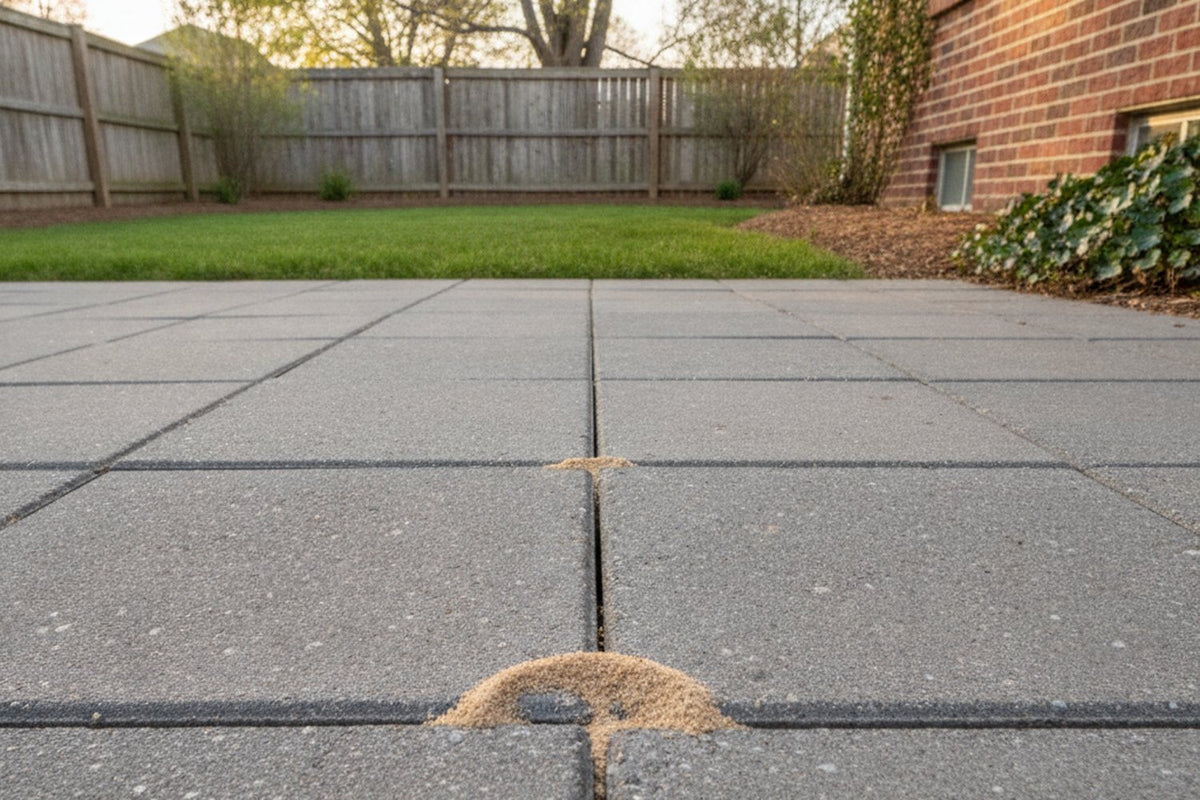
- Ants nesting along the foundation, the patio or the flower beds: Amdro Outdoor Home Perimeter Ant Killer (pick 4), the one bait here whose label also lists carpenter and pharaoh ants; read which ants each label covers before using it on either.
- Ants still getting in after you have baited, and you cannot find where they nest: Ortho Home Defense Indoor and Perimeter2 Insect Killer (pick 5), a spray barrier and a stopgap.
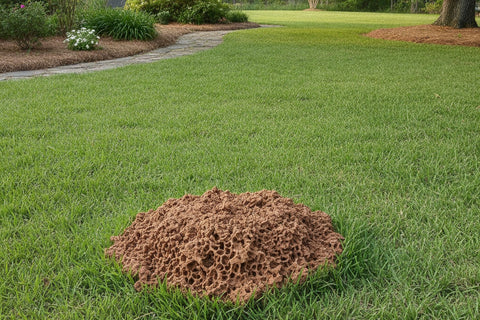
- Ant mounds in the lawn that you want gone: Ortho BugClear Lawn Insect Killer1 (pick 6).
- Fire ants: they take different baits and a different two-step method, so see our fire ant killer guide.
Most ant problems need a bait and patience, not more spray. In practice: clean up the crumbs and spills the ants are after, set the baits on the trail, and leave the ants alone while they feed, with no spray anywhere near the bait. The University of California says "It can take 5 to 10 days to see fewer ants." If they come from outside, bait outside too, because baits set outdoors pull the ants out of the house. Bait or spray has the reasons.
| Pick | Type | Where it goes | Works in | Best for | Our verdict | Where to buy |
|---|---|---|---|---|---|---|
| 1. TERRO Liquid Ant Killer Bait StationsBest for ants in the house | Liquid bait stations | Indoors, on ant trails | Up to two weeks (label) | A trail of small ants on the counter, along a baseboard or around the sink | Sweet borax bait in closed stations that the workers carry back to the nest; the label says full control can take up to two weeks. | Check price on Amazon |
| 2. Combat Ant Killing GelBest gel for cracks and crevices | Gel bait in a syringe | Cracks and crevices, indoors or out | 3 to 5 days (label) | Ants coming out of a crack or a gap where a bait station will not sit | A fipronil gel in a syringe for spots in cracks and crevices; the label says it gives control in 3 to 5 days. | Check price on Amazon |
| 3. TERRO Outdoor Liquid Ant Bait StakesBest outdoor bait stations | Outdoor liquid bait stakes | Soil along the foundation and ant trails | Fewer ants within days (TERRO) | Ants coming in from the yard, baited before they reach the door | The same kind of sweet borax bait in stakes you push into the soil along the foundation and the trails, replaced every 3 months. | Check price on Amazon |
| 4. Amdro Outdoor Home Perimeter Ant KillerBest granular bait for the yard and foundation | Granular bait | A 1 ft band around the house, or on a mound | One to four weeks (label) | Ants nesting along the foundation, the patio or the beds | A hydramethylnon bait spread in a 1 ft band around the house or on a mound, with 25 species of ants on its label. | Check price on Amazon |
| 5. Ortho Home Defense Indoor and Perimeter2 Insect KillerBest barrier spray | Barrier spray with wand | 4-inch band indoors, 12-inch band outside | Up to 12 months indoors (label) | Ants still getting in after baiting, when you cannot find the nest | A ready-to-spray pyrethroid band for baseboards and the outside of the house, with a battery wand; a stopgap, not a colony killer. | Check price on Amazon |
| 6. Ortho BugClear Lawn Insect Killer1Best for ant mounds in the lawn | Lawn granules, watered in | Lawns and a 2 foot foundation band | 6 months for listed ants (label) | Ant mounds in the lawn that have to go | Bifenthrin granules spread and watered in, with a 6 month claim for listed ants at the label's 2.3 lb rate. | Check price on Amazon |
The best ant killers, by job
1. TERRO Liquid Ant Killer Bait Stations: best for ants in the house
Best for ants in the house
Best for: A trail of small ants on the counter, along a baseboard or around the sink
TERRO Liquid Ant Killer Bait Stations
- Type: Liquid bait stations
- Where it goes: Indoors, on ant trails
- Works in: Up to two weeks (label)
Sweet borax bait in closed stations that the workers carry back to the nest; the label says full control can take up to two weeks.
These are small, pre-filled plastic stations of sweet liquid bait, 12 to the pack, that you snap open and set where the ants are trailing. TERRO lists the active ingredient as 5.40% sodium tetraborate decahydrate, which is borax, and its safety data sheet gives the EPA registration as 149-8. TERRO says to place the baits near ant trails or where ants are numerous, plus anywhere ants may come in, and to use all 6 baits for best results, so this 12-pack makes two full sets (our arithmetic). TERRO's ant list covers acrobat, Argentine, crazy, ghost, little black, odorous house, pavement and other sweet-eating ants.
Why it is the pick: it does what the extension services say a household ant bait should do. The University of California's pest note says a bait must be slow-acting so the workers get back to the nest before they die, and TERRO's label says its bait lets worker ants live long enough to haul the liquid home and dose the rest of the colony. Borax baits are on every extension list we read: the University of California names borate among the common bait ingredients, the University of Minnesota lists sodium tetraborate decahydrate (borax), and the University of Maryland Extension suggests starting with a bait made of boric acid and a sweetener before trying a gel. TERRO says the closed stations keep the bait from drying out, so the ants have a steady supply.
Good to know: the label warns that ants first come in large numbers and then disappear, and that "Complete control may take up to two weeks." That crowd is the bait working, so let them feed. TERRO says not to set the stations where you have already sprayed insecticide, and the University of Maryland adds that cleaning around the stations keeps ants from going into them. The label says to place the bait where children and pets cannot reach it, to keep it out of serving areas while food is exposed, and never to pour unused product down a drain; its signal word is Caution, by TERRO's data sheet. TERRO's list leaves out fire, pharaoh, carpenter and harvester ants. Once the ants are gone, the label says to put out fresh baits every 3 months so they do not return.
2. Combat Ant Killing Gel: best gel for cracks and crevices
Best gel for cracks and crevices
Best for: Ants coming out of a crack or a gap where a bait station will not sit
Combat Ant Killing Gel
- Type: Gel bait in a syringe
- Where it goes: Cracks and crevices, indoors or out
- Works in: 3 to 5 days (label)
A fipronil gel in a syringe for spots in cracks and crevices; the label says it gives control in 3 to 5 days.
This is a 27 gram (0.95 oz) syringe of gel bait with fipronil at 0.001% as the active ingredient, under EPA registration 64240-42. The label says to apply it in spots in cracks and crevices, and for best results to make many spots or dabs where you see ants foraging and getting into the house. Indoors it goes where you see ants, and outdoors into or next to structures, beside ant trails. The label names odorous house, pavement, little black, Argentine, cornfield and white footed ants.
Why it is the pick: a gel goes where a station cannot, into the gap under a window frame, a crack in the trim or the seam where a counter meets the wall. The University of California describes gel baits as small tubes for the little cracks and crevices ants use to get in, and lists fipronil among the common bait ingredients; the University of Maryland suggests a gel when a boric acid bait does not work. Combat's label says the gel gives control in 3 to 5 days, and that fipronil acts fast but still slowly enough for the foragers to get home and pass the bait to the larvae and queens. Combat adds that it starts to kill ants in hours.
Good to know: the label says to use it only where children and pets cannot easily reach, and to keep exposed gel away from open food and food-contact surfaces. Do not put it where you have recently sprayed insecticide or used a fogger, and never spray over it: the label says that can make the bait repellent. Skip spots that get washed often, since washing removes it, and never treat food preparation surfaces or put it in or on electrical equipment. Its precautions call it "Harmful if swallowed or absorbed through the skin" and a cause of moderate eye irritation, and the label notes it may stain fabric. Combat says to avoid applying it in direct sunlight. Like the TERRO baits, it leaves out carpenter, pharaoh, fire and harvester ants.
3. TERRO Outdoor Liquid Ant Bait Stakes: best outdoor bait stations
Best outdoor bait stations
Best for: Ants coming in from the yard, baited before they reach the door
TERRO Outdoor Liquid Ant Bait Stakes
- Type: Outdoor liquid bait stakes
- Where it goes: Soil along the foundation and ant trails
- Works in: Fewer ants within days (TERRO)
The same kind of sweet borax bait in stakes you push into the soil along the foundation and the trails, replaced every 3 months.
These are the same kind of sweet liquid borax bait in see-through stakes, 12 to the pack, that you push into the soil. TERRO says to cut the tab to open each station and set the stakes outdoors near the spots where ants get into the house, or by ant nests and trails; when the bait is used up you throw the stake away. TERRO's safety data sheet for the stakes gives the same EPA registration as pick 1, 149-8, and its list of ants matches pick 1's: Argentine, ghost, cornfield, pavement, acrobat, white footed, little black, odorous house, crazy and big headed ants among them.
Why it is the pick: the University of California's pest note says to use baits primarily outdoors, because "Outdoor baits draw ants out of buildings," and to use them indoors only for a serious problem where you cannot find the way in. Its spacing is one every 10 to 20 feet around the outside of the foundation, plus one at any nest opening you can find. Stakes are the easy way to follow that advice, and the pest note itself suggests baited ant stakes around trees too, where ants tend aphids for their honeydew. TERRO says the stakes reduce ant numbers within days.
Good to know: like pick 1, these attract more ants at first, so leave them undisturbed while the ants feed. TERRO says to replace the stakes every 3 months once the ants are under control. The ant list again leaves out fire, pharaoh, carpenter and harvester ants. TERRO's data sheet gives the signal word Caution and says to store the product where children or animals cannot get to it; the University of California suggests tucking bait stations into mulch so children and pets do not see them.
4. Amdro Outdoor Home Perimeter Ant Killer: best granular bait for the yard and foundation
Best granular bait for the yard and foundation
Best for: Ants nesting along the foundation, the patio or the beds
Amdro Outdoor Home Perimeter Ant Killer
- Type: Granular bait
- Where it goes: A 1 ft band around the house, or on a mound
- Works in: One to four weeks (label)
A hydramethylnon bait spread in a 1 ft band around the house or on a mound, with 25 species of ants on its label.
This is a granular bait in a 24 oz bottle, hydramethylnon at 0.88% under EPA registration 73342-2. Around a house, the label says to spread it in a 1 ft band around the outside of the building, at 4 to 8 ounces for an average building of 2,000 sq ft (40 x 50 ft), or 4 ounces for every 180 linear feet; the whole 24 oz bottle covers 1,080 linear feet. On a single mound it is 1 to 2 1/8 ounces, sprinkled onto and around it using a disposable spoon or a measuring cup. On paving, porches and patios it goes only into cracks and crevices.
Why it is the pick: it is the one bait here whose label also names carpenter ants and pharaoh ants. The label names 25 species, carpenter ants and pharaoh ants among them, along with lawn, field, odorous house, pavement and Argentine ants. That includes pharaoh ants, which the University of California notes favor protein or greasy baits year-round. The label explains the delay: hydramethylnon acts slowly enough for the foragers to carry it back to the nest, and you "should see fewer ants within a week of treatment." Then, by the label: "By the end of one to four weeks, the queen and most of the ants in the mound will have eaten this product and died."
Good to know: the label says never to apply it in a way that contacts a person or pet, directly or through drift, and to keep people and pets out of the area while you apply it. Do not put it on wet ground or grass, or down when rain is due within 24 hours, or when it is colder than 50 degrees F; in hot weather the label says early morning or early evening works best. It keeps it off vegetables and other food crops, says not to feed treated clippings to livestock, and calls the product "toxic to fish and aquatic invertebrates": do not apply it directly to water, and sweep stray granules from a driveway, walk or street back onto the lawn. An opened bottle is good for up to 3 months, by the label, and it says to check treated mounds for ants 30 to 40 days later.
5. Ortho Home Defense Indoor and Perimeter2 Insect Killer: best barrier spray
Best barrier spray
Best for: Ants still getting in after baiting, when you cannot find the nest
Ortho Home Defense Indoor and Perimeter2 Insect Killer
- Type: Barrier spray with wand
- Where it goes: 4-inch band indoors, 12-inch band outside
- Works in: Up to 12 months indoors (label)
A ready-to-spray pyrethroid band for baseboards and the outside of the house, with a battery wand; a stopgap, not a colony killer.
This is a ready-to-spray liquid in a 1.33 gallon jug with Ortho's battery-powered Comfort Wand, under EPA registration 239-2717; Ortho lists the active ingredients as bifenthrin and zeta-cypermethrin, both pyrethroids. Indoors, the label says to keep the wand a foot (12 inches) from the surface and spray a 4-inch band on baseboards and other hiding places, slightly wet without soaking. Outdoors it is a 12-inch band along the outside of the house where insects keep coming in. The label claims "12 Month Control for Ants, Roaches, & Spiders Indoors on Non-Porous Surfaces," and Ortho says to reapply outdoors every 3 months.
Why it is the pick: sometimes you cannot find where the ants are coming from, and that is the one case where the University of Minnesota Extension describes a barrier: if the nest cannot be found, ants can sometimes be kept out by an insecticide barrier around the outside of the building, on the one side they use or a 2 to 4 foot wide strip all the way around if you cannot tell. It is clear that this is a stopgap, "temporary and is not a long term solution," and the University of California says the same about foundation sprays: they kill foragers, not the colony or the queens. This is the pick for that stopgap, with a long label claim indoors and a wand that makes a band easy to lay down.
Good to know: keep it away from your baits. Do not spray where baits are set: the University of Minnesota says spraying interferes with ants carrying bait back to the nest, and TERRO's directions and Combat's label say the same about their baits. The label says people and pets may re-enter once the spray has dried; cover or remove exposed food, pet food included, before you spray. Outdoors, the label limits spraying to spots, cracks and crevices, a perimeter band no more than 7 feet wide from the base of the house onto soil, mulch or lawn, and a few other places it lists; not straight onto sidewalks, driveways and patios except in the limited ways the label lists, not during rain, and it says rain within 24 hours may cause runoff. The label calls it "extremely toxic to fish, aquatic invertebrates, oysters and shrimp" and "highly toxic to bees exposed to direct treatment or residues on blooming plants," so keep it off flowering plants that bees are visiting. The University of California goes further, telling homeowners to "Avoid spraying pyrethroids (like bifenthrin and cypermethrin) outdoors," above all on hard surfaces and around foundations, because they pollute waterways. That is why it comes last here: bait first, and if ants still get in through one area of the house, the University of Minnesota says you can spot-treat that area rather than the whole outside. The label's cautions: harmful if swallowed, moderate eye irritation, and long sleeves and pants, socks and shoes, and chemical-resistant gloves while you spray.
6. Ortho BugClear Lawn Insect Killer1: best for ant mounds in the lawn
Best for ant mounds in the lawn
Best for: Ant mounds in the lawn that have to go
Ortho BugClear Lawn Insect Killer1
- Type: Lawn granules, watered in
- Where it goes: Lawns and a 2 foot foundation band
- Works in: 6 months for listed ants (label)
Bifenthrin granules spread and watered in, with a 6 month claim for listed ants at the label's 2.3 lb rate.
These are bifenthrin granules at 0.20%, under EPA registration 239-2764, in a 10 lb bag that you spread over the lawn and then water in. On a lawn the label's general rate is 0.6 to 1.2 lbs over 1,000 sq ft, and the label says a 10 pound bag "will treat up to 16,500 sq. ft. of lawn," which matches the light rate (our arithmetic). For its 3 and 6 month control the label asks for 2.3 lbs for every 1,000 sq ft, which takes a 10 lb bag only about 4,300 sq ft (our arithmetic). The label claims 6 months of control of 19 named kinds of ants, cornfield, pavement, odorous, little black, Argentine and the Lasius lawn ants among them.
Why it is the pick: ants in a lawn are a different problem from ants in a kitchen. The University of Minnesota Extension says of ants that nest in lawns, "they do not feed on or injure grass," and asks you to tolerate them when you can; field ant mounds up to a foot across are the ones that get in the way of the mower. When a lawn nest has to go, it says to pick a product with directions for treating lawns and that granules and dusts work best. This is a lawn granule with lawn directions, a 2 foot band along the house foundation at its own rate, and a long list of other lawn insects it also controls, from armyworms and chinch bugs to ticks and fleas.
Good to know: the label's key line is "Do not allow people and pets to re-enter treated areas until granules have been watered in and area has dried." Water it in right after you spread it, but never to the point of runoff, and not during rain. Keep it off sidewalks, driveways and streets, and leave a foot of lawn untreated beside hard surfaces and sewer drains. In New York State the label bars it from any lawn within 100 feet of "a water body (lake, pond, river, stream, wetland, or drainage ditch)." It calls the product "extremely toxic to fish and aquatic invertebrates," and its cautions are harmful if swallowed and moderate eye irritation. Its 6 month ant claim leaves out pharaoh, carpenter and harvester ants. The label also notes it may contain peanut by-products and is for residential use only. A retailer lists this product as not shipped to some states, so check that the Amazon listing delivers to your address before you order.
How we chose these
We started from what extension entomologists recommend for household and yard ants, then looked for the best product on Amazon for each job. For the method, we read the University of California Statewide IPM Program's Pest Notes: Ants, the University of Minnesota Extension's ants in homes page and the University of Maryland Extension's ants page.
For every pick we read the maker's label, directions or safety data sheet: TERRO's pages for the liquid ant baits and the outdoor bait stakes, Combat's ant killing gel, Amdro's Ant Killer for Outdoor Home Perimeter, and Ortho's labels for Home Defense Insect Killer for Indoor and Perimeter2 and BugClear Lawn Insect Killer1. The labels we read each say "It is a violation of Federal law to use this product in a manner inconsistent with its labeling," so every rate, wait and warning on this page is the label's, named as such. Specs come from each Amazon listing and maker page.
Our rules: each pick was in stock on Amazon on November 2, 2026, with a new offer in the buy box. Every pick is an insecticide registered with the EPA, and we give its registration number. We link no home remedy: vinegar, essential oils and the rest are covered in their own section.
Also considered: products that missed the list and why
Advion Ant Gel. A Syngenta gel bait with indoxacarb at 0.05% (EPA registration 100-1498), used in cracks and crevices or as spot treatments indoors or out, per its label. It met our floor; pick 2 does the same job in a ready-to-use syringe.
Bait or spray? What extension services say
An ant colony lives on as long as its queens do, and most of it never leaves the nest. The University of Minnesota Extension puts it plainly: "The most effective way to control ants is to put insecticide into the nest and kill the queen(s)." That can be done directly or with bait, and killing foraging workers has little effect. The University of California adds that workers pass bait from mouth to mouth through the nest, down to the larvae and queens, which is how a bait reaches a colony you will never see.
| Method | What it does | What the sources say | Pick |
|---|---|---|---|
| Liquid bait stations | Sweet bait the foragers carry home | California: baits are the only insecticide it recommends in most situations; Maryland: start with a boric acid and sweetener bait. | 1, 3 |
| Gel bait | Bait squeezed into cracks where ants enter | California: gels go into the small cracks and crevices where ants come in; Maryland: try a gel if the first bait fails. | 2 |
| Granular bait | Bait spread around the house or on a mound | California: ants differ in what they eat, and thief and pharaoh ants favor protein or greasy baits year-round. | 4 |
| Contact spray indoors | Kills the ants it hits | California: spraying ants indoors will not stop more from coming in; soapy water can clear a trail as well. | None |
| Barrier spray around the house | Kills foragers crossing a treated band | Minnesota: an option when the nest cannot be found, but temporary; California: it misses the colony and pyrethroid sprays pollute waterways. | 5 |
| Granules on a lawn nest | Insecticide watered into the soil | Minnesota: tolerate lawn ants where you can; for a nest that has to go, granules and dusts work best. | 6 |
| Home remedies | Vinegar, herbs, essential oils, gasoline | Minnesota: vinegar only disrupts a trail for a while; herbs and essential oils do not work; never gasoline. | None |
What it shows: baits do the real work, and everything else either buys time or clears a trail. The University of California's advice for homes is to combine baits with caulking the cracks ants come in through and cleaning up the food they are after, and to ask any pest control company for baits and spot treatments rather than monthly perimeter sprays. Do not mix the two approaches at the same spot: California says to avoid "any insecticide sprays while you are using baits."
Which ants each label covers
The label is also the list of ants a product is registered to control, and the lists differ in ways that matter. Sweet baits suit sweet-feeding ants, and among the baits only pick 4 names carpenter and pharaoh ants. The University of Minnesota starts ant control with identifying the ant, because food, nesting and the right treatment all follow from it.
| Pick | Ants the label or maker lists | Ants it leaves out |
|---|---|---|
| 1. TERRO Liquid Ant Killer Bait Stations | Acrobat, Argentine, crazy, ghost, little black, odorous house, pavement and other sweet-eating ants | Fire, pharaoh, carpenter, harvester |
| 2. Combat Ant Killing Gel | Odorous house, pavement, little black, Argentine, cornfield, white footed | Carpenter, pharaoh, fire, harvester |
| 3. TERRO Outdoor Liquid Ant Bait Stakes | Argentine, ghost, cornfield, pavement, acrobat, white footed, little black, odorous house, crazy, big headed | Fire, pharaoh, carpenter, harvester |
| 4. Amdro Outdoor Home Perimeter Ant Killer | 25 species, carpenter, pharaoh, lawn, field, odorous house, pavement and Argentine ants among them | None of the common house ants |
| 5. Ortho Home Defense Indoor and Perimeter2 | Ants, cockroaches, spiders and other listed home insects | Its front panel names no exclusions |
| 6. Ortho BugClear Lawn Insect Killer1 | 19 named kinds for 6 months, among them cornfield, pavement, odorous, little black, Argentine and Lasius lawn ants | Pharaoh, carpenter and harvester from the 6 month claim |
What it shows: for the common kitchen ants, picks 1, 2 and 3 all apply, and what decides between them is where the ants are. Two ants need more care. Carpenter ants nest in moist or rotting wood, and the University of Minnesota says controlling them usually takes a pest management professional, with insecticide applied directly into the nest. Pharaoh ants are the ones not to spray: the University of Maryland says their colonies can break apart into new colonies when stressed by repellent liquid or dust insecticides, and to use bait-type traps on them instead. If ants keep coming back after you bait, have them identified.
Where to put ant bait, and when
Put bait where the ants already are. The University of California says to place it near nests, on trails beneath plants or along the edges where ants travel, and to space outdoor stations every 10 to 20 feet around the foundation. The University of Minnesota suggests following the ants to find the nest, setting out food to get them foraging, and watching for 30 minutes or longer if you need to; for some ants, carpenter ants among them, the trail is easiest to follow just after sunset.
Timing matters too. California says baits set out in late winter or early spring, as colonies start to grow, work best, and that it pays to caulk and bait before the yearly invasion. If the ants stop taking a bait, move it or try a different one: California notes that preferences shift through the year, with Argentine ants taking sweet baits all year but protein baits mainly in spring. Keep the bait fresh, keep sprays away from it, and clean up other food so the bait is the best meal around.
How fast does each ant killer work?
Baits are slow on purpose, and the sprays that act fast do not reach the nest. The table sets each label's or maker's claim against what extension services say about that kind of product.
| Pick | The label or maker | What extension services say | How long it lasts |
|---|---|---|---|
| 1. TERRO Liquid Ant Killer Bait Stations | More ants at first; full control in up to two weeks (label) | California: 5 to 10 days before you see fewer ants; several weeks or more to finish | Replace every 3 months once the ants are gone (label) |
| 2. Combat Ant Killing Gel | Control in 3 to 5 days (label); starts to kill in hours (Combat) | Minnesota: baits "may take several weeks to several months to eliminate a colony" | Inspect and reapply as needed (label) |
| 3. TERRO Outdoor Liquid Ant Bait Stakes | Fewer ants within days (TERRO) | California: control with baits is not immediate | Replace every 3 months (TERRO) |
| 4. Amdro Outdoor Home Perimeter | Fewer ants within a week; queen and most of the mound dead in one to four weeks (label) | California: hydramethylnon is a common bait ingredient | An opened bottle lasts up to 3 months (label) |
| 5. Ortho Home Defense Indoor and Perimeter2 | 12 months indoors on non-porous surfaces (label) | Minnesota: sprays are temporary, with little to no effect on the nest | Reapply outdoors every 3 months (Ortho) |
| 6. Ortho BugClear Lawn Insect Killer1 | "Starts to kill in minutes, except against fire ants" (label) | Minnesota: re-treat a nest if activity resumes | 6 months for listed ants (label) |
What it shows: the faster the claim, the less of the colony it touches. The bait picks run from 3 to 5 days for the gel to a few weeks for the granules, and the University of Maryland says of bait traps, "Traps will take from 24 to 48 hours or even longer to work, so be patient." The two fast picks, 5 and 6, are not baits, which is why they suit a barrier or a lawn nest rather than a kitchen trail.
How much ant killer does your house or lawn need?
Two tables, from the label rates and the University of California's station spacing (our arithmetic). The first is for the outside of a house: the distance around a footprint, the number of outdoor stakes at one every 10 to 20 feet, and the amount of pick 4 at its rate of 4 ounces for every 180 linear feet.
| House footprint | Distance around it | 3. Outdoor stakes, every 10 to 20 ft | 4. Amdro perimeter band |
|---|---|---|---|
| 30 x 40 ft | 140 ft | 7 to 14 stakes | About 3 oz |
| 40 x 50 ft | 180 ft | 9 to 18 stakes | 4 oz (the label's average building) |
| 50 x 60 ft | 220 ft | 11 to 22 stakes | About 5 oz |
What it shows: one 12-pack of stakes rings a 40 x 50 ft house at the wider spacing, and a big house at the closer spacing takes two packs. A 24 oz bottle of pick 4 is six bands around that same house at 4 ounces each, which is where Amdro's label claim that "One 24 oz bottle treats the average home over 5 times" comes from; at the label's 8 ounce top rate it is three.
The second table is for pick 6 on a lawn, at the label's general rate of 0.6 to 1.2 lbs per 1,000 sq ft and at its 2.3 lb rate for the 3 and 6 month claims. Bags are 10 lb.
| Lawn | 6. BugClear, general rate | 6. BugClear, 3 and 6 month rate |
|---|---|---|
| 2,500 sq ft | 1.5 to 3 lb | 5.75 lb (one bag) |
| 5,000 sq ft | 3 to 6 lb | 11.5 lb (two bags) |
| 10,000 sq ft | 6 to 12 lb | 23 lb (three bags) |
What it shows: the label's 16,500 sq ft figure is the light rate. At the rate the label ties to its 6 month ant claim, a 10 lb bag covers about 4,300 sq ft, so most lawns need two or three bags for the long claim. If only a few mounds are the problem, the University of Minnesota's advice is to locate the nest and treat it directly, which it says uses much less pesticide, and pick 4's mound rate of 1 to 2 1/8 ounces a mound goes much further.
What the labels say about people, pets, rain and water
All six picks are insecticides, and their labels are the law for how you use them. This is what each label, or the maker's page or safety data sheet where the label is not posted, says on the points buyers ask about most.
| Pick | People and pets | Rain and watering | Water and wildlife |
|---|---|---|---|
| 1. TERRO Liquid Ant Killer Bait Stations | Place where children and pets cannot reach; keep out of serving areas when food is out | Indoor stations; no watering | Never pour unused product down any drain |
| 2. Combat Ant Killing Gel | Only where children and pets cannot easily reach; away from open food and food-contact surfaces | Not where it gets washed off | Never pour unused product down any drain |
| 3. TERRO Outdoor Liquid Ant Bait Stakes | Store where children and animals cannot get at it; signal word Caution (data sheet) | Leave undisturbed while ants feed | No water line on TERRO's page |
| 4. Amdro Outdoor Home Perimeter | Never contact a person or pet; keep both out while you apply it | Not on wet ground, not with rain due within 24 hours, not below 50 degrees F | Toxic to fish and aquatic invertebrates; not directly on water |
| 5. Ortho Home Defense Indoor and Perimeter2 | People and pets may re-enter once the spray has dried | Not during rain; rain within 24 hours may cause runoff | "extremely toxic to fish, aquatic invertebrates, oysters and shrimp"; highly toxic to bees on blooming plants |
| 6. Ortho BugClear Lawn Insect Killer1 | People and pets stay off until it is watered in and dry | Water in right away, not to runoff, not during rain | "extremely toxic to fish and aquatic invertebrates"; in New York, not within 100 feet of water |
The University of California adds two habits worth keeping whatever you use: place bait stations where ants can find them but children and pets cannot, and avoid spraying pyrethroids outdoors on driveways, sidewalks and around the foundation, because they pollute waterways. The University of Maryland's version is shorter: "Never use insecticides on food preparation surfaces or in areas where children or pets frequent."
Do vinegar, essential oils and other home remedies kill ants?
Mostly not. The University of Minnesota Extension lists what does not get rid of ants: water poured in to flood a nest; gasoline, which it calls dangerous and a cause of pollution; cinnamon, orange peels, red pepper, spearmint gum and other herbs; and lavender and other essential oils. It does suggest wiping trails with mild vinegar and water to disrupt them for a while.
Cleaning is the part that works. The University of California says vacuuming a trail or sponging it with soapy water can clear foraging ants as well as an indoor spray, because soapy water removes the scent trail, and that plant-oil sprays kill ants on contact but do not last. Its other steps are the ones that keep ants out for good: caulk the cracks they come through, store sugar, honey and pet food in sealed containers, take out the garbage often, and keep plants, grass and mulch a foot away from the foundation.
Ants in the garden are not all bad. The University of California notes that ants feed on fleas, termites and other pests, and that it is unrealistic to try to wipe them out of an outdoor area; the aim is to keep them out of the house and off the plants you care about.
Related guides
Our weed killer guide sorts lawn and driveway weed products the same way, by job and by label. For the other pests in your yard, see our mosquito repellent for yard guide and our deer repellent guide.
Frequently asked questions
What is the best ant killer?
For ants in the house, a bait such as TERRO Liquid Ant Killer Bait Stations, set on the trail so the workers carry it back to the nest; for cracks a station cannot reach, a gel such as Combat Ant Killing Gel. The University of California calls baits the only type of insecticide it recommends in most situations, and says to bait outdoors where you can.
How long does ant bait take to work?
Days to weeks. The University of California says "It can take 5 to 10 days to see fewer ants," and several weeks or more for full control. TERRO's label says "Complete control may take up to two weeks," Combat's gel label says 3 to 5 days, and Amdro's perimeter bait label says fewer ants within a week.
Why are there more ants after putting out bait?
Because the bait is working. TERRO's label says ants first come in large numbers and then disappear, and TERRO's page explains that the foragers that find the bait lay a trail back to the nest. Leave them alone while they feed, and do not spray them.
Should you spray ants while using bait?
No. The University of California says to avoid "any insecticide sprays while you are using baits," the University of Minnesota says spraying interferes with ants carrying bait back to the nest, and Combat's label says spraying over its gel can make the bait repellent.
How do you get rid of ants in the lawn?
First decide whether you need to. The University of Minnesota Extension says lawn ants "do not feed on or injure grass" and asks you to tolerate their nests when possible. For a nest that has to go, it says granules and dusts with directions for lawns work best; Ortho's BugClear Lawn Insect Killer1 label says to water the granules in and keep people and pets off until the area has dried.
What kills ants permanently?
Nothing outdoors, by the extension guidance we read. The University of California says it is unrealistic to try to eliminate ants from an outdoor area, and to focus on keeping them out of buildings by caulking, cleaning and baiting before the yearly invasion. Once the ants are controlled, TERRO's label says to put out fresh baits every 3 months so the ants do not come back.
When can pets go back after using ant killer?
Follow the label of the product you used. Ortho's Home Defense label says people and pets may re-enter once the spray has dried; Ortho's BugClear label says to keep them off until the granules are watered in and the area is dry; Amdro's perimeter label says to keep people and pets out of the area during application. Bait stations and gel go where children and pets cannot reach them, by the TERRO and Combat labels.
Does vinegar kill ants?
Not in a way that solves the problem. The University of Minnesota Extension says mild vinegar and water wiped along an ant trail disrupts it only for a while, and lists herbs, lavender and other essential oils among the methods that do not get rid of ants. Baits are what reach the nest.
Disclosure: Some links pay us a commission when you click or buy, and on some pages brands pay us through Amazon's creator program on links to their products. Availability was checked on Amazon on November 2, 2026 and can change.
Product prices and availability are accurate as of the date/time indicated and are subject to change. Any price and availability information displayed on Amazon.com at the time of purchase will apply to the purchase of this product.