As an Amazon Associate we earn from qualifying purchases. Some brands also pay us when you click or buy, so those links are ads. Full disclosure below
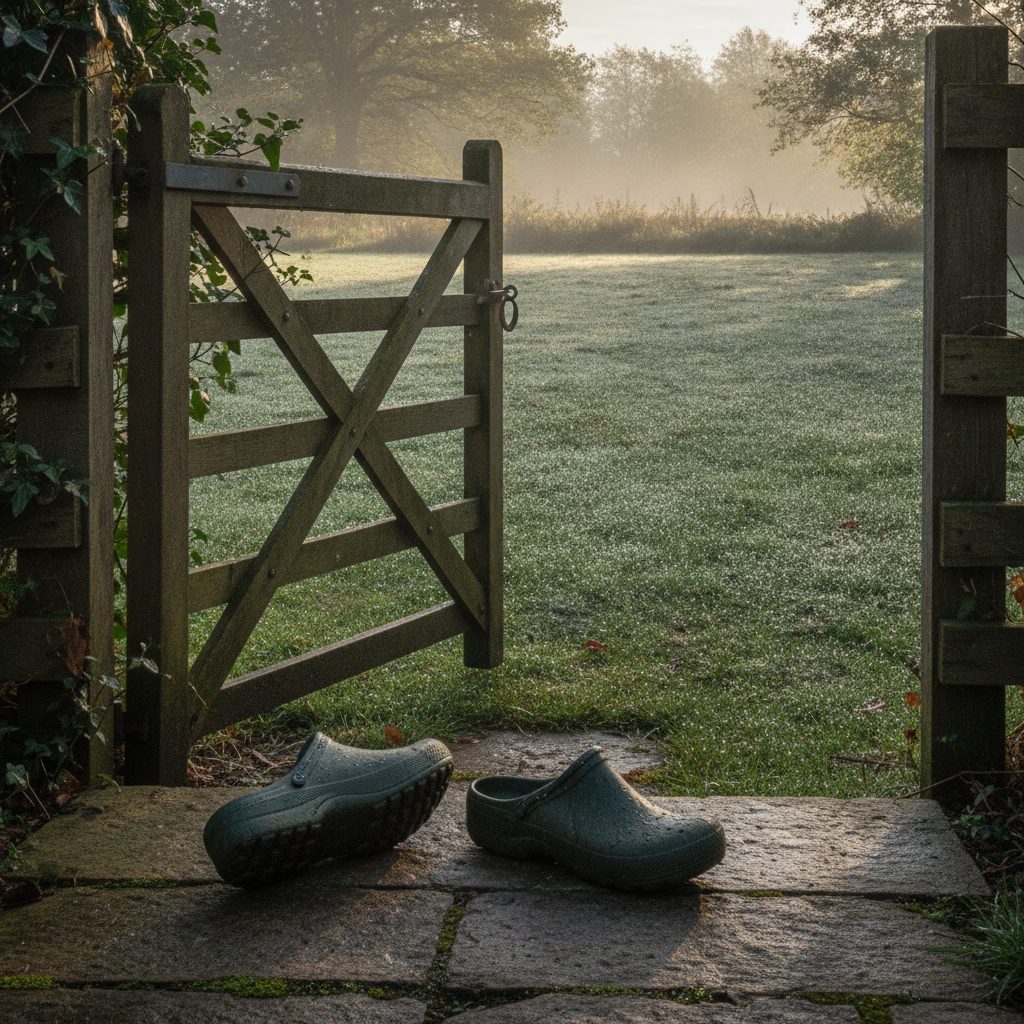
The best gardening shoes for most people are waterproof slip-on clogs: on at the door, off at the door, hosed clean in ten seconds. Mud season calls for the best gardening boots you can step into, an ankle-height waterproof pair, and hot weather forgives a lighter, cheaper clog. The whole category is about the threshold between house and garden.
Garden footwear gets bought as an afterthought and used more than any tool in the shed, because every trip to the beds starts with it. The requirements are short but strict: waterproof where it counts, grippy on wet grass, easy on and off, and cleanable with a hose. These are the best gardening shoes and clogs by how and where you garden.
Best gardening shoes at a glance
| Shoe | Best for | Type | Where to buy |
|---|---|---|---|
| Sloggers garden clogs (best overall) | Everyday in-and-out gardening | Waterproof clog, premium comfort support | Check price on Amazon |
| HISEA ankle rain boots | Mud season and wet lawns | Waterproof ankle Chelsea boot | Check price on Amazon |
| totes Everywear clog | Hot weather and light duty | Lightweight waterproof clog | Check price on Amazon |
| NITTI garden clogs | Feet that need arch support | Clog with built-in arch support | Check price on Amazon |
What are the best gardening shoes?
The Sloggers waterproof garden clogs are our best overall because they are the category done completely: genuinely waterproof, built with premium comfort support underfoot, and shaped to step into with full hands. Sloggers has made garden footwear its whole business for decades, and it shows in the details that matter at the door. One honest note on this category: many of the strongest listings, this one included, are women's sizing; men's garden clogs run the same designs in larger lasts.
The best gardening shoes and clogs, by condition
1. Sloggers garden clogs: best gardening shoes overall
The Sloggers traditional garden clogs live at the back door and go on a dozen times a day without a thought, which is the entire job description. Waterproof through morning dew and watering overspray, supportive enough for a full afternoon standing at the potting bench, and a hose rinse away from clean. Where they lose: deep mud that swallows a clog whole, which is boot territory below.
2. HISEA ankle boots: best gardening boots for mud season
Spring beds and clogs do not mix; mud season needs coverage. The HISEA waterproof ankle Chelsea boots keep the slip-on convenience while sealing out the conditions that flood a clog: standing water, saturated lawns, and the trench you dug before the rain. Ankle height is the sweet spot for gardening, waterproof where garden water actually reaches without the clomp and heat of full rain boots. Chelsea-style pull-on gussets keep the at-the-door speed.
3. totes Everywear clog: best lightweight garden shoe
In July the priority flips from keeping water out to letting heat escape. The totes Everywear garden clog is the light, easy, inexpensive version of the category for quick trips, container watering, and gardeners who treat garden shoes as a consumable. The lightweight build is the point and the limit: less support for long sessions, less shoe between you and a misplaced spade foot.
4. NITTI garden clogs: best for arch support
Standing on soil for hours is standing work, and flat feet know it. The NITTI garden clogs build real arch support into the footbed, which changes what an afternoon of edging and weeding costs your feet and, one joint up, your knees and back. Support is half of garden ergonomics; the other half, how you stand and kneel, is covered in our ergonomic gardening guide.
How to choose gardening shoes
- Slip-on is the feature that matters most. Garden trips are frequent and short; laces make every one of them slower and muddier.
- Waterproof and water-resistant are different promises. Molded and sealed uppers keep dew and hose water out; water-resistant fabrics eventually let mud in.
- Grip is about wet grass, the most slippery surface most gardeners walk. Look at the outsole tread, not the marketing.
- Hose-off cleanability decides what you actually wear. A shoe you cannot rinse becomes a shoe you will not wear into the beds.
- Height follows season: clogs for the daily dry-ish months, ankle boots when the ground holds water.
Frequently asked questions
What shoes are best for gardening?
Waterproof slip-on clogs for everyday gardening, ankle-height waterproof boots for mud season. The winning combination is a sealed upper, a grippy sole for wet grass, and slip-on speed for the dozen daily trips between house and beds. Most committed gardeners end up owning one of each.
Are Crocs-style clogs good for gardening?
For light, dry work, yes, and their price makes them easy to sacrifice to the garden. Their weakness is the ventilation holes, which let in exactly what gardens are made of: soil, mulch, and water. Purpose-built garden clogs seal the upper and add real support, which is worth the difference if you garden more than casually.
Should I get rubber boots or garden clogs?
Clogs for convenience, boots for conditions. If your gardening is frequent short visits on reasonable ground, clogs win on ease. If your soil holds water, your grass stays wet, or your projects involve digging, an ankle boot earns its slight extra effort. Full-height rain boots are overkill for most gardens and hot besides.
How should garden clogs fit?
Snug enough at the heel not to slip off in mud, roomy enough in the toe for a garden sock. A clog that fits loose becomes a mud casualty the first wet week; one that pinches will not survive a long afternoon of standing. If you are between sizes, size up and add the thicker sock.
The bottom line
Put real garden clogs at the back door and add ankle boots before mud season. Garden footwear also makes an easy, appreciated present, one of several in our gifts for gardeners guide, and the tools waiting past the doorway are ranked in the essential garden tools list. For the friend whose plants live indoors, our gifts for plant lovers guide sorts plant gifts by the problem each one solves.
Who we are: Spear Head Spade is a family business in New Jersey, and we sell the double-patented digging spades this blog keeps mentioning, with over 600,000 sold. Footwear is half of comfort in the garden and knees are the other half, which our guide to garden kneelers and knee pads covers. Our own garden kneeler is the one we take out on planting days.
Disclosure: some links in this guide are affiliate links to Amazon. This is at no extra cost to you, and it never changes our honest, use-based recommendations.
Product prices and availability are accurate as of the date/time indicated and are subject to change. Any price and availability information displayed on Amazon.com at the time of purchase will apply to the purchase of this product.