Fall yard cleanup is five jobs in a fixed order: clear the gutters, deal with the leaves, cut and clear the brush, put the lawn to bed, then plant and protect the beds before the ground freezes. This page maps our guide for each job, so you can pick the right tool once and get on with it.
One thing before the list: we make digging spades, and only the bed work at the end is ours. Every other tool below has its own guide, each with picks we verified on Amazon and an honest line on where each one loses. This page is the map. Use it to find the guide you need, in the order the season asks for it.
What order should you do fall yard cleanup in?
Gutters first, while the ladder is out and before the leaves pack them. Leaves next, in two or three passes as they drop. Brush and firewood in between, on the dry days. Lawn work in the middle of the season, while the soil is still warm. Beds, bulbs and frost protection last, right before the freeze.
- Gutters, before the heavy drop: gutter cleaning tools and gutter guards.
- Leaves, in passes: rakes, blowers, sweepers and vacuum mulchers, then mulch them.
- Brush and dead wood, on dry days: pruning saws, loppers, pole saws and a wood chipper for the pile. Hedge trimmers and hedge shears wait for spring.
- Firewood, before it rains for a week: chainsaws, splitting axes, log splitters and firewood racks.
- Lawn, while the soil is warm: dethatch, aerate, then feed with a spreader.
- Beds and bulbs, right before the freeze: bulbs, transplants, compost and the winterizing checklist.
- Snow gear, before the first storm: snow blowers, snow shovels and ice melt.
Which leaf tools do you need for your yard size?
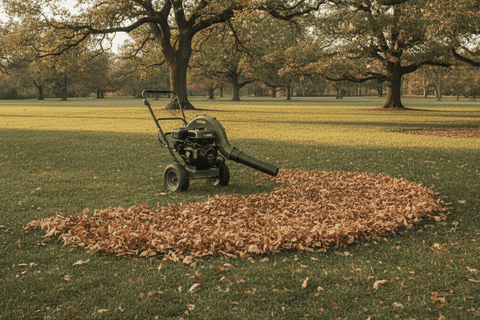
A rake and a cordless blower handle a quarter acre. Past that, a backpack blower moves leaves faster than anything handheld, a lawn sweeper collects what the blower piles, and on an acre or more a walk behind blower windrows a whole lawn in one pass. Whatever the size, mulch the leaves rather than bagging them.

Best leaf rakes
The tool every yard needs first, with the bow rake for the beds.

Best cordless leaf blowers
The right blower for most suburban yards, no fuel, no cord.

Best backpack leaf blowers
Half an acre and up, gas and battery, and the one that wins.

Best gas leaf blowers
Handheld and backpack gas machines, and where they are still allowed.

Best walk behind leaf blowers
Wheeled blowers for an acre or more, and what Amazon actually stocks.

Best lawn sweepers
Push and tow behind sweepers that collect what the blower piles.

Best leaf vacuum mulchers
Shred leaves as you collect them, for beds and the compost heap.

How to mulch leaves
Where every shredded leaf should go: lawn, beds or the heap.
Gutters: clear them before the leaves pack them
Clean gutters once before the main drop and once after, and if you are tired of the ladder, fit guards over the winter. A packed gutter in a freeze is the most expensive fall job you can skip, because ice dams work back under the shingles. When the yard is done for the year, our guides to the best patio heaters, best propane fire pits, best garage heaters and best greenhouses cover the cold months. When the tools go away for winter, our best storage sheds guide covers where they go, priced per square foot.

Best gutter cleaning tools
Scoops, tongs and blower attachments that keep you off the ladder.

Best gutter guards
Micro mesh, reverse curve, foam and brush, for leaves and pine needles.
Branches, brush and hedges
Fall is the time to take down dead limbs before snow loads them and clear out the brush summer left behind. Hedges are the exception: University of Maryland Extension advises against pruning them from August to late October, because the new growth it forces will not harden off before winter. Save hard cuts for early spring and trim flowering hedges right after they bloom; our hedge shears guide has the timing hedge by hedge. Hand saws and loppers handle anything you can reach, a pole saw reaches the rest, and a chipper turns the whole pile into mulch instead of curbside bundles.

Best pruning saws
Folding and fixed saws for anything under about 4 in.

Best loppers
Bypass, anvil and ratchet loppers for branches you can reach.

Best pole saws
Cordless and manual pole saws for limbs overhead, safer than a ladder.

Best hedge trimmers
Cordless and corded trimmers, for hedge cuts in spring and summer.

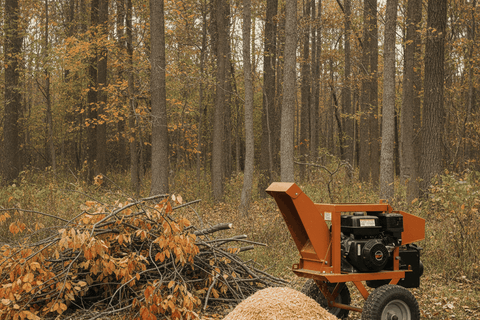
Best wood chippers
Corded and gas chipper shredders for the branch pile.
Firewood: cut, split and stack it while it is dry
Wood cut in fall and stacked off the ground seasons over winter and burns next year. A homeowner chainsaw bucks the trunk to stove length, an axe or a splitter halves the rounds, and a rack keeps the stack dry. Do it in October, because a wet stack in November never really dries.

Best chainsaws
Six homeowner saws, gas, battery and corded.

Best splitting axes and mauls
The hand tools for rounds up to about a foot across.

Best log splitters
Electric and gas splitters, and what each tonnage actually splits.

Best firewood racks
Racks and covers that keep the stack off the ground and dry.
The lawn's last month: dethatch, aerate, feed
Cool season lawns do their root growth in fall, which makes September and October the months that decide next year's turf. The order matters: dethatch if the layer is over half an inch, core aerate while the soil is moist, then feed into the holes. Do all three before the first hard freeze.

Best dethatchers
Manual rakes and electric machines, and how to measure thatch first.

Best lawn aerators
Tow behind, push and manual core aerators, and why spikes do not count.

How to aerate your lawn
The hand method, the passes and the timing, step by step.

Best fall lawn fertilizers
The one feeding that does the most, and which bag for your grass.

Best fertilizer spreaders
Broadcast and drop spreaders that put it down evenly.
Beds, bulbs and compost: the digging half of fall
The last jobs are the ones done with a spade. Bulbs go in once the soil cools, shrubs and perennials move now so their roots settle before winter, shredded leaves and spent plants go to the heap, and tender plants get covered before the first frost. Dahlias come up once frost blackens their foliage; our guide on how to store dahlia tubers covers the lift. This is the part of fall we know best.

Bulbs to plant in fall
What to plant, how deep, and when your soil is cool enough.

How to transplant shrubs and perennials in fall
Why autumn moves take, and how to lift a root ball cleanly.

Best compost bins
Bins for every yard, and how to layer the fall browns.

Best compost tumblers
Sealed tumblers sized by yard, for faster compost with fewer pests.

How to winterize your garden
The ten step checklist from the last harvest to the first freeze.

How to protect plants from frost
Covers, timing and which plants need it.
Every bed job on this list starts with a clean cut through roots and settled soil: lifting a shrub, opening a trench for bulbs, edging a bed back before the leaves go on it. That is what our spades are built for. Spear Head Spade makes a double-patented digging spade with over 600,000 sold, and the D-handle garden spade is the one most fall bed work calls for. If you are not sure which length suits you, the spade finder sorts it in a minute.
Before the first snow
Snow gear sells out in the first storm, not before it, so buy it in October while the choice is still there. A snow blower is the last of the big fall machines, and the shovel and the ice melt are the two things every home needs regardless of the driveway. Our snow removal tools guide picks up where this checklist ends, with every winter job matched to its tool.

Best snow blowers
Electric, gas and two stage machines, sized to the driveway.

Best snow shovels
The shovel and the pusher every home needs, ergonomic first.

Best ice melts
Concrete safe, lawn safe and paw safe, and which is which.
Which fall cleanup tools do you actually need?
Fewer than the list suggests. Every yard needs a rake, a spade, gloves and a way to move leaves. Past a quarter acre add a cordless blower, and past half an acre a backpack blower and a sweeper. Machines with one job a year, like an aerator or a chipper, are usually better rented.
| Yard | Buy | Rent or borrow |
|---|---|---|
| Small lot, under a quarter acre | Leaf rake, spade, gloves, hand pruners, a pruning saw | Nothing, a mower mulches the leaves |
| Quarter to half acre | Add a cordless blower, loppers and a compost bin | Core aerator, one weekend a year |
| Half acre to an acre | Add a backpack blower, a lawn sweeper and a wheelbarrow | Chipper for a storm pile, aerator |
| Wooded lot or more than an acre | Add a chainsaw, a splitting axe, a firewood rack and a walk behind blower | Log splitter until the stack justifies owning one |
Gear that makes every fall job easier
Three things get used on every job above and rarely make a list: a wheelbarrow or cart to move what you collect, gloves that survive a season of wet leaves and thorns, and something to kneel on for the bulb and bed work at the end.

Best wheelbarrows and garden carts
One wheel or two, steel or poly, for leaves, chips and firewood.

Best gardening gloves
Gloves for wet leaves, thorns and a season of digging.

Best garden kneelers
Kneelers and knee pads for the bulb planting at the end of the season.
Frequently asked questions
When should you start fall yard cleanup?
Start when the first real leaf drop comes, usually late September in the north and October further south, and finish the lawn jobs before the ground freezes. Leaves can wait for the bulk of the drop, but aerating, feeding and bulb planting all have a soil temperature deadline, so do those first.
Should you leave the leaves on the lawn?
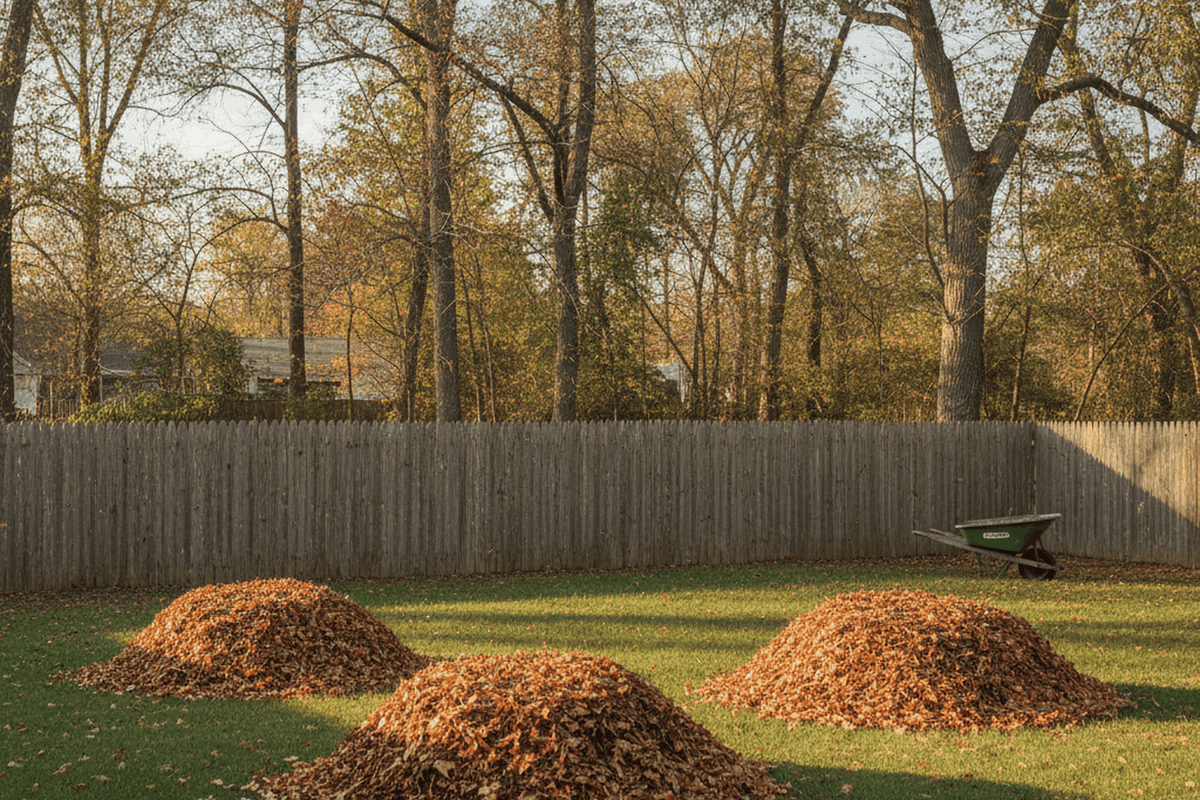
Not whole. A thick mat of whole leaves smothers grass and holds disease over winter. Mulched into the lawn with a mower they feed it, and shredded onto beds they protect roots and build soil. Leave whole leaves only in a corner you have set aside for wildlife, away from turf.
Is it better to rent or buy fall cleanup equipment?
Buy the tools you will use every year, which for most yards means a rake, a blower and a spade. Rent the machines with one job a year, such as a walk behind core aerator or a chipper for a single storm pile. Anything you would run three or more times a season pays for itself.
Are gas leaf blowers banned where you live?
In some places. California stopped the sale of new gas blowers in 2024, and a growing list of towns limit gas blower hours or seasons. Check your town's ordinance page before buying a gas machine, and if you are in doubt, a cordless blower avoids the question entirely.
What do you do with everything you collect?
Shred the leaves and use them, as lawn mulch under the mower, as a mulch layer on beds, or as the brown half of a compost heap. Chip the branches for paths and shrub borders. Split and stack the firewood off the ground to season. Only the diseased material and the roots with soil on them go to the curb.
The bottom line
Do fall cleanup in order: gutters, leaves, brush and firewood, lawn, then beds and bulbs, with the snow gear bought before the first storm. Pick each tool from its own guide above, buy the ones you will use every year, rent the ones with a single job, and mulch or compost everything you collect. Then put the spade away clean, because the next job it does is in April.