The best watering can for most gardeners is a 2 gallon plastic can with a spout that pours clean: big enough to finish the containers in one trip, light enough to carry full without regret. Indoors, a small long-spout can that threads between leaves wins, and if you want a can that outlives the plants, galvanized steel is the classic.
A watering can seems like the least technical purchase in gardening right up until you use a bad one: glugging flow, a spout that dribbles down the side, a full weight that strains your wrist before the third container. The differences are small and they compound daily, because no tool in the shed gets used more often. These are the best watering cans by where you water.
Best watering cans at a glance
| Can | Best for | Type | Where to buy |
|---|---|---|---|
 Chapin 2 gallon, Tru-Stream nozzle (best overall)
 |
Outdoor containers and new plantings | 2 gallon plastic | amazon |
 Long-spout indoor can Long-spout indoor can |
Houseplants and crowded shelves | Small, long narrow spout | amazon |
 Galvanized steel can Galvanized steel can |
Buy-once durability and looks | Metal classic | amazon |
 Qilebi 2 gallon Qilebi 2 gallon |
A capable second can for fertilizer duty | 2 gallon plastic | amazon |
What is the best watering can?
The Chapin 2 gallon watering can is our best overall because it fixes the failure that ruins most cans: the pour. Its Tru-Stream nozzle is made to flow evenly without dribbling, so water goes where you point it instead of down the can and onto your shoes, and 2 gallons is the honest sweet spot between trips to the spigot and what a wrist carries comfortably. Chapin has made watering and spraying equipment for over a century, and it shows in the boring, correct details.
The best watering cans, by use
1. Chapin 2 gallon: best watering can overall
For porch containers, tomato buckets, and watering-in transplants, the Chapin 2 gallon covers the whole outdoor case: a clean controlled pour, a body shape that balances against your leg on the carry, and plastic that shrugs off being left out. A full 2 gallon can weighs about 17 lb, which is the practical ceiling for one-handed watering; that is a physics limit, not a Chapin one. If you routinely water beyond hose reach, own two and balance the carry.
2. Long-spout indoor can: best watering can for indoor plants
Indoors the job reverses: tiny volumes, tight spaces, and pots you must not splash. A small long-spout indoor can threads between leaves and reaches the back row of a crowded shelf, delivering water at the soil line where it belongs. Around half a gallon is right; an indoor can you must top up twice is still better than a big can you cannot aim. Plant people also rate these as gifts, which is why one shows up in our gifts for plant lovers guide; the Chapin above is the watering can in our gifts for gardeners guide.
3. Galvanized steel: best watering can to buy once
A galvanized watering can is the one that gets inherited. The zinc coating resists rust for years of outdoor life, the body takes dents that would crack plastic, and it looks good enough to live on the porch instead of behind the shed. The honest costs: it is heavier before you add any water, the metal handle is cold in spring, and a good one costs several plastic cans. Buy it for durability and looks, not for saving your wrist.
4. Qilebi 2 gallon: best budget watering can
The Qilebi 2 gallon covers the same outdoor duty as our top pick without the refinements. It is a plain, capable plastic can for people who need a second can for the back garden, a can for the fertilizer mix that never touches the good one, or just the cheapest correct answer. The refinements you give up are the pour-control details, which matter most around seedlings.
How to choose a watering can
- Size to your carry, not your garden. Water weighs 8.3 lb per gallon, so a full 2 gallon can is about 17 lb. Bigger saves trips and costs joints; smaller is not lazy, it is arithmetic.
- The spout is the product. A long spout adds reach and aim; a clean cutoff at the tip stops the dribble that soaks the pot rim. This one detail separates cans you love from cans you curse.
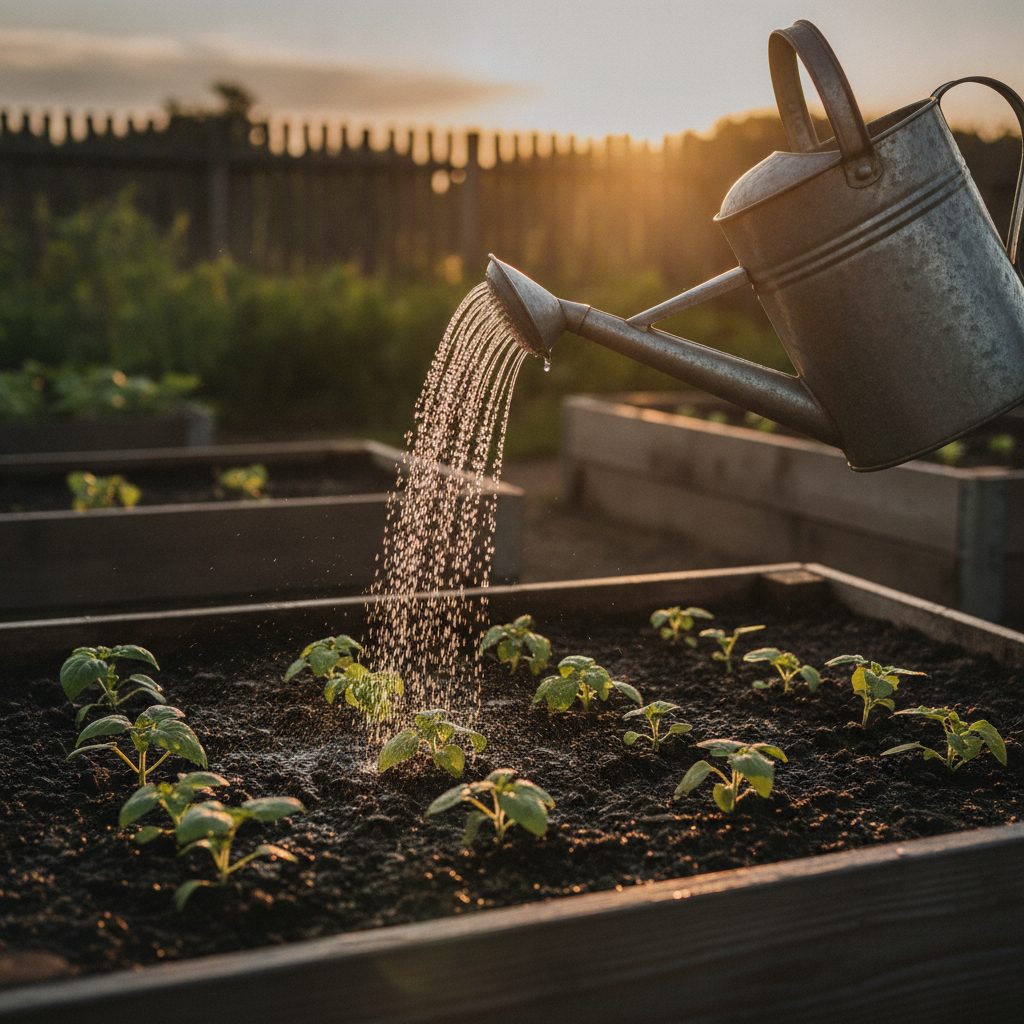
- A rose turns a stream into rain. The perforated head that fits the spout matters for seedlings and freshly sown beds, where a bare stream digs holes. Check that the rose removes easily, because established containers want the stream.
- Plastic for weight, metal for decades. Plastic is lighter, cheaper, and fine in the sun for years. Galvanized steel outlasts it and looks better doing it.
- Two cheap cans beat one big one when you mix fertilizer: keep a marked can for the mixes and the clean one for everything else.
Frequently asked questions
What size watering can is best?
Two gallons for outdoor work and about half a gallon for indoor plants. Two gallons finishes a porch of containers in one trip while staying carryable at roughly 17 lb full. Indoors, small and aimable beats large, because houseplant watering is measured in cups, not gallons.
Is a plastic or metal watering can better?
Plastic is lighter, cheaper, and easier to live with daily; galvanized metal lasts decades and looks the part. If you water a lot of containers, the empty weight of metal adds up against your wrist. If you want one can for the next twenty years on the porch, buy galvanized and enjoy it.
What is the rose on a watering can for?
The rose is the perforated head that fits on the spout and breaks the stream into a gentle shower. It exists for seedlings, freshly sown seed, and delicate transplants, where a solid stream of water digs craters and washes seed out of position. For established plants, take it off and put the water at the soil line.
What is the difference between indoor and outdoor watering cans?
Scale and spout. Outdoor cans carry gallons and pour wide because beds and containers drink deep. Indoor cans hold a quart or two with a long narrow spout that reaches through foliage and pours precisely at the soil, keeping water off leaves and furniture. Using an outdoor can indoors is how windowsills get flooded.
The bottom line
One good 2 gallon can covers most gardens: start with the Chapin, add a long-spout can if you keep houseplants, and go galvanized when you want the one that lasts. When the watering outgrows the can entirely, our garden hose guide picks up where this one ends, with the hose reels that keep it off the lawn, and the rest of the kit is ranked in our essential garden tools list.
Disclosure: some links in this guide are affiliate links to Amazon. As an Amazon Associate, Spear Head Spade earns from qualifying purchases. This is at no extra cost to you, and it never changes our honest, use-based recommendations.
For context on who is recommending this gear: Spear Head Spade is a family business in New Jersey, and we make the Spear Head Spade digging tools, with over 600,000 sold. When the watering is for something newly planted, our guide to how to plant a tree covers the part that decides whether it survives. The hole itself is our department, and our spade finder matches a spade to your height and your soil.