As an Amazon Associate we earn from qualifying purchases. Some brands also pay us when you click or buy, so those links are ads. Full disclosure below
The Spear Head Spade and the CobraHead solve different problems, so most gardeners end up owning both. The Spear Head Spade is a pointed digging spade for breaking ground, transplanting, edging, and slicing roots. The CobraHead is a curved-blade weeder and cultivator for uprooting weeds and loosening the soil around plants.
If you landed here expecting a fight, we have to let you down gently. Plenty of comparisons pit two tools against each other and crown a winner. This one cannot, because these two are not competitors. One is a full-size digging spade. The other is a hand weeder. Asking which is better is like asking whether a chef's knife beats a paring knife. The honest answer is that it depends entirely on the job in front of you.
We will say it plainly. The CobraHead is a well-made tool from a small company in Wisconsin, and a lot of serious gardeners keep one within reach all season. What follows is a straight guide to what each tool actually does, so you buy the right one first.
What is the difference between a Spear Head Spade and a CobraHead?
The difference is category, not quality. The Spear Head Spade is a two-handed digging tool you drive with your foot. The CobraHead is a one-handed weeding and cultivating tool you drag with your wrist. They live in different parts of the shed and they rarely reach for the same task.

| Spear Head Spade | CobraHead | |
|---|---|---|
| Tool type | Full-size digging spade | One-handed weeder and cultivator |
| Best jobs | Breaking hard ground, digging, transplanting, edging, slicing roots | Uprooting weeds, cultivating, loosening soil, cutting seed furrows |
| Blade and design | Sharpened spearhead blade in tempered carbon-manganese steel, double patented | Curved single steel blade the maker likens to a steel fingernail |
| Handle options | 40 in D-handle, 58 in long handle, 30 in mini | Original hand length, plus long-handle and mini versions |
| Size and reach | Full-length spade you work standing, with your foot on the step | Compact hand tool for close, kneeling work |
| Price feel | Premium spade, bought once for years of use | Budget-friendly hand tool |
Read that table and the split is obvious. Anything that involves moving real soil goes to the spade. Anything that involves fussing around living plants goes to the CobraHead.
What is a Spear Head Spade used for?
The Spear Head Spade is a digging spade built for the ground that beats ordinary shovels. Instead of a flat, blunt front edge that has to be shoved straight down, it has a spearhead blade. The tip enters the soil at a single point, then the sharpened edges slice outward as the blade sinks. It is sharpened tip to tail in tempered carbon-manganese steel, so it cuts rather than crushes.
That shape is the whole reason the tool exists. It was invented by Daniel Mathieu, a gardener in Windsor, CT, working with his son Julien, an engineer. The design holds two US patents, which is why we call it double patented. The point-first geometry is what lets it dig with up to 80% less effort than a standard shovel, because you are splitting the soil instead of forcing a wide flat blade through it.
Here is where it earns its keep:
- Breaking hard, compacted, clay, or rocky ground. This is the job standard shovels fail. The point finds a way in where a flat blade just bounces.
- Digging planting holes and transplanting. Clean-sided holes with far less back-and-forth, and enough control to lift a plant with its root ball intact.
- Edging beds and lawns. The sharp edges cut a crisp line through turf without sawing.
- Slicing through roots. The blade cuts roots that would stop a blunt shovel cold. We go deeper on this in our guide to cutting through roots without wrecking your back.
The recognition backs up the design. Better Homes and Gardens named it "Best Shovel/Spade" in 2025, and over 600,000 sold. It comes in three lengths so you can match it to your body and your beds. The 40 in D-handle spade is the flagship and the one most gardeners want, offering the most leverage for general digging. The 58 in long handle keeps taller gardeners upright and saves the lower back. The 30 in mini spade is the one to grab for raised beds, containers, and tight spots between established plants.
What is a CobraHead weeder used for?
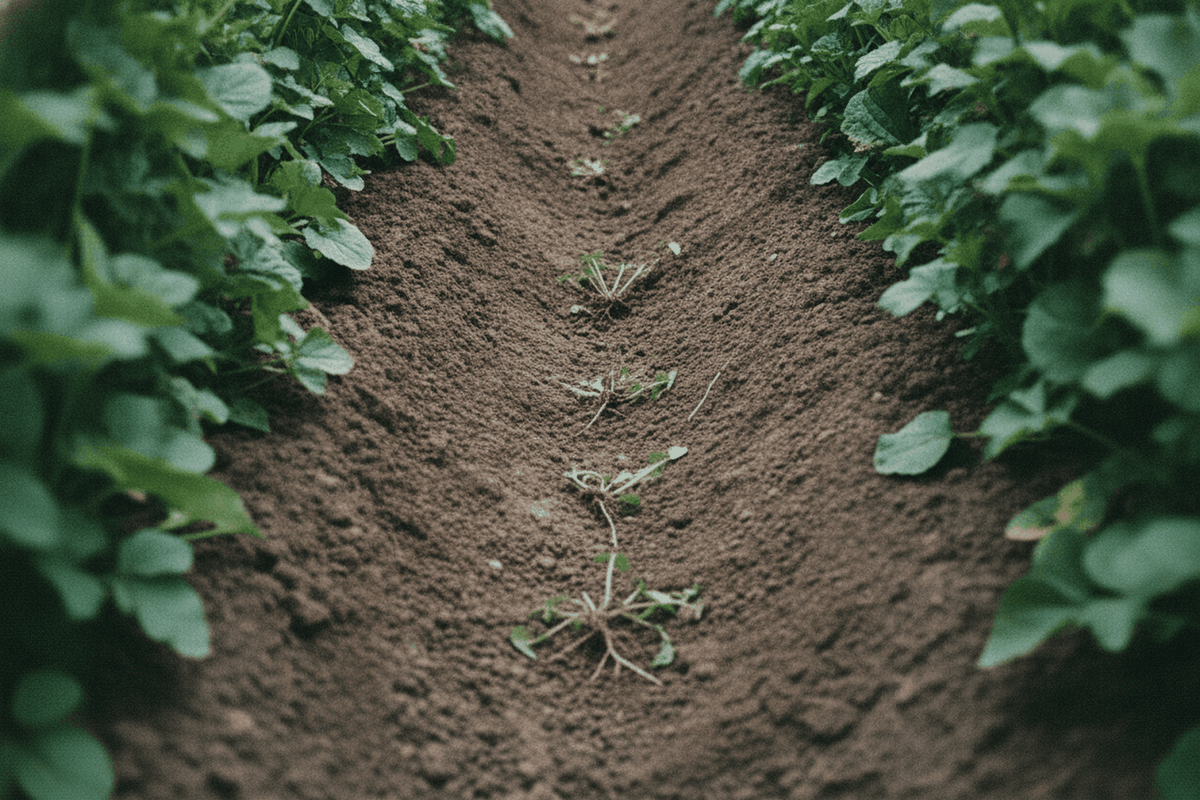
The CobraHead is a one-handed weeder and cultivator. Its working end is a narrow, curved steel blade that hooks into the soil like a single strong fingernail. That curve is the point of it. You can slip the tip under a weed, hook the root, and pull the whole plant up rather than snapping off the top and leaving the root to regrow.
It shines at the close, kneeling work a spade is far too big for:
- Uprooting weeds one at a time, root and all, in beds and borders.
- Cultivating and loosening the top inch or two of soil around plants so water and air get in.
- Cutting shallow seed furrows for a tidy row of seeds.
- Working right up against plants where a bigger tool would do damage.
It comes in a few forms. The original is the hand-length tool most people picture. There is a long-handle version for gardeners who would rather weed standing than kneel, and a mini for the most delicate close work. It is genuinely good in its lane, and we are happy to say so. The other hand tool for that lane is a trowel, and our guide to the best garden trowels covers where each one wins.
What types of weeds does a CobraHead weeder work best on?
It is at its best on annual weeds and young weeds in loose or worked soil, where the whole root lifts out in one pull. It also handles taprooted weeds like dandelions reasonably well, because the narrow blade can follow the root down and lever it up. Where it struggles, like most hand weeders, is dense mats of established perennial roots or hard, dry, compacted ground. That is spade territory, not weeder territory. If your soil is baked solid, loosen it first and the weeding gets far easier.
Which is better for weeding, a spade or a CobraHead?
For pulling individual weeds around living plants, the CobraHead wins, and it is not close. A full-size spade is the wrong tool for that job, and trying to use one near tender roots usually ends with collateral damage. But "weeding" covers more than one task, so here is the honest job-by-job breakdown.
| Job | Better tool | Why |
|---|---|---|
| Breaking hard or compacted soil | Spear Head Spade | The spearhead penetrates where a hand tool cannot |
| Digging holes and transplanting | Spear Head Spade | Moves real volume of soil and lifts root balls whole |
| Edging beds and lawns | Spear Head Spade | Sharp edges cut a clean line through turf |
| Slicing through roots | Spear Head Spade | Cuts roots that stop a blunt shovel |
| Pulling weeds around plants | CobraHead | The curved blade hooks the root without harming neighbors |
| Cultivating soil around plants | CobraHead | Loosens the top layer without disturbing roots |
| Cutting seed furrows | CobraHead | The narrow tip draws a clean shallow line |
| Standing weeding of a whole bed | Garden hoe | A long-handled hoe covers ground faster than any hand tool |

Notice the last row. If you are clearing a whole bed of weeds standing up rather than picking them one by one, neither of these is the fastest choice. That is what a hoe is for. Our own Garden Hoe is a 60 in weeding and cultivating tool with flow-through windows that let soil pass while the sharpened edge slices weeds at the root line. If your weeding is more "clear the whole row" than "pick around the peonies," read our guide to garden hoe types and uses before you decide. Our roundup of the best weeding tools ranks the whole category, hoes, hand weeders and pullers together.
How do you use each tool?
Both reward a little technique. Using either one like a crowbar is how people tire out and how tools get bent.
The CobraHead pull-and-drag technique
Hold it like you would a small hand rake, blade curving down toward the soil. To weed, set the tip just behind the weed, push it down an inch or two, then pull it toward you so the curve slides under the root and lifts it. To cultivate, drag it through the top inch of soil in short strokes, breaking the crust without digging deep. It works the same left or right handed, so let your dominant wrist do the pulling and keep the strokes short. Long, heavy hauls are how you strain a wrist.
The Spear Head Spade step-and-lever technique
Stand the spade upright with the tip on your mark. Place one foot on the step at the top of the blade and let your body weight press it in, rather than stabbing at the ground with your arms. Once the blade is seated, ease the handle back to lever the soil up and out. Let the sharp edges and the spearhead do the cutting, and reset your foot for the next bite instead of forcing a single big heave. In hard clay, take smaller bites and let the point lead each time. If you kneel to finish a planting hole, a Garden Kneeler saves your knees on the follow-up work.
Which one should you buy?
Start with the work you actually do most.
- If your gardening is weeding-first, lots of established beds, close work around plants, and light soil that mostly needs tending, a hand weeder like the CobraHead earns its place fast. Pair it with our Garden Hoe if you also clear beds standing up.
- If your gardening is digging-first, planting, transplanting, dividing, edging, or fighting hard and rocky ground, the Spear Head Spade is the tool that changes your season. It does the heavy work a weeder simply cannot touch.
Here is the honest close, the part most comparison pages skip. Most serious gardeners end up owning both, because they complement each other rather than compete. The spade opens the ground, moves the soil, and does the muscle work. The weeder does the fine, close, kneeling work around what you planted. Buy the one that matches your biggest recurring chore first, then add the other when the season shows you the gap. You can see the full Spear Head lineup on our all products page.
For most gardeners the first buy is the digging tool, because nothing else in the shed replaces it. If you are choosing one place to start, start with the 40 in D-Handle Spear Head Spade. It is the flagship, it carries the Better Homes and Gardens "Best Shovel/Spade" nod for 2025, and it is the tool behind over 600,000 sold.
Frequently asked questions
Do you need both a Spear Head Spade and a CobraHead?
Most active gardeners do end up with both, because they do different jobs. The Spear Head Spade handles digging, breaking ground, transplanting, edging, and root cutting. The CobraHead handles close weeding and cultivating around plants. If you buy one at a time, get the digging spade first, since nothing else in the shed replaces it.
Is the Spear Head Spade worth it?
If you dig in hard, clay, or rocky soil, yes. The spearhead blade digs with up to 80% less effort than a standard shovel, it is double patented, and it earned the Better Homes and Gardens "Best Shovel/Spade" title in 2025. With over 600,000 sold, it is a bought-once, use-for-years tool rather than a throwaway. If your soil is loose and your work is mostly light weeding, a hand tool may serve you better first.
How do you use a CobraHead weeder?
Hold it like a hand rake with the curved blade pointing down. Set the tip just behind a weed, push it in an inch or two, then pull toward you so the curve hooks under the root and lifts the whole plant. For cultivating, drag it through the top inch of soil in short strokes to break the crust. Keep the pulls short to save your wrist.
What is the best weeder on the market?
There is no single best weeder, because it depends on the job. For picking individual weeds around plants on your knees, a curved hand weeder like the CobraHead is excellent. For clearing a whole bed or row while standing, a long-handled hoe such as our flow-through Garden Hoe covers ground far faster. Match the tool to the task and your soil, not to a label.
Disclosure: some links in this guide are affiliate links to Amazon. This is at no extra cost to you, and it never changes our honest, use-based recommendations.
Product prices and availability are accurate as of the date/time indicated and are subject to change. Any price and availability information displayed on Amazon.com at the time of purchase will apply to the purchase of this product.