As an Amazon Associate we earn from qualifying purchases. Some brands also pay us when you click or buy, so those links are ads. Full disclosure below
A grub hoe is a heavy, thick-bladed chopping hoe for breaking sod, hardpan and roots: you swing it down in a short arc, then pull the loosened ground toward you. For most gardeners the Rogue Hoe 70G is the one to buy, with the Truper Lane Hoe No. 1 for moving soil.
It is the tool you reach for when a garden hoe bounces off the ground: lawn into bed, a trench through compacted clay, the root mats out of a neglected corner.
We do not make a grub hoe, so none of the three picks is ours. We make the Spear Head Spade, and one section below says a sharpened spade does part of this job better; read it with that bias in mind.
The best grub hoes at a glance
| Tool | Best for | Head | Handle | Where to buy |
|---|---|---|---|---|
| Rogue Hoe 70G (best overall) | Sod and roots, every season | 7 inch head, three sharpened edges | 54 inch | Check price on Amazon |
| Truper Lane Hoe No. 1 | Trenching, hilling, moving soil | 7-1/2 inch forged head, 1.8 lb | 54 inch fiberglass | Check price on Amazon |
| Lothee 48 inch grub hoe | A complete classic eye hoe for the money | Drop-forged, heat-treated steel, round eye | 48 inch wood | Out of stock on Amazon on October 13, 2026 |
What is a grub hoe?
A grub hoe is a heavy digging hoe with a thick, wide blade set at a steep angle to the handle, usually mounted through a round or oval eye. You swing it down like a light pick to break sod, hardpan, and roots, then pull the loosened soil toward you. It is a digging tool, not a weeding tool.
Listings call it a grub hoe tool, a grubbing hoe, an eye hoe, or an azada. The head is the whole story: a forged or heavy stamped blade of two to four pounds, set at a steeper angle than a garden hoe's so it bites into the ground on the way down instead of skating across it. The handle is shorter and stouter, and on most grub hoes it passes through an eye in the head, so a broken handle is a replacement, not a new tool. Our garden hoe types guide maps the whole family.
What is a grub hoe used for, and what is it not for?
A grub hoe is for breaking new ground: chopping sod off a lawn to start a bed, opening compacted clay and hardpan, cutting fibrous and small woody roots, trenching, and pulling loosened soil into hills and furrows. It is not for weeding. A weeding hoe is lighter, sharper, and pulled rather than swung.
What it is not for is the weekly pass down a planted bed, where a three pound head cannot be steered between seedlings. For beds that already exist you want a long-handled draw hoe: the Spear Head Hoe is our pre-sharpened stainless steel version on a 60 inch fiberglass handle, and our best garden hoe guide ranks it against the other shapes. The grub hoe makes the bed; the garden hoe keeps it.
Grub hoe vs mattock vs garden hoe: which do you need?
Choose by the ground. A garden hoe weeds and cultivates soil that is already loose. A grub hoe breaks ground that is compacted, sodded, or rooted. A mattock is the next step up, heavier still, with a pick or cutter blade opposite the hoe blade for rock, stumps, and roots over an inch thick.
| Garden hoe | Grub hoe | Mattock | |
|---|---|---|---|
| Motion | Pulled or skimmed through the surface | Short downward chop, then a pull | Full swing from the shoulder |
| Head | Light, thin, near a right angle | Two to four pounds, thick, steep angle | About five pounds, hoe blade plus pick or axe |
| Handle | 54 to 60 inches | 48 to 54 inches | About 36 inches |
| Best ground | Loose, planted beds | Sod, hardpan, clay, root mats | Rock, stumps, thick roots |
Grub hoe vs mattock comes down to how much the ground fights back. A cutter mattock like the 5 pound True Temper Ames cutter mattock carries an axe blade for stumps and thick roots, but it is swung from the shoulder on a 36 inch handle and wears you out fast. A grub hoe is lighter, keeps you more upright, and does the chop and the pull with one head. Grub hoe vs garden hoe is not a contest: if your garden hoe keeps bouncing, add a grub hoe.
How do you use a grub hoe safely?
Stand with your feet apart and your boots outside the strike line, hold the handle with both hands, lift the head to about waist height, and let its weight drop into the ground a foot ahead of you. Pull the loosened chunk toward you, step back, and repeat. Short controlled chops, never a full overhead swing.
1. Check the ground and seat the head
Call 811 before trenching near a utility route, walk the patch for sprinkler heads and rocks, and soak dry ground the evening before. On an eye hoe, hold the tool head-down and rap the handle butt on concrete to drive the head tight; a head that flies off mid-swing is a real hazard, so check it every time you pick the tool up.
2. Set your stance and grip
Feet a little wider than your shoulders, one slightly ahead, strike zone a foot in front of your toes and never between them. Bottom hand near the end of the handle, top hand partway up and sliding down as the head falls. Wear boots, gloves, and safety glasses; roots and rocky ground throw chips at your face.
3. Chop with the head's weight, then pull, do not pry
Raise the head to between your hips and chest and let it fall; the steel does the work and your arms guide it. Draw the handle back to lift the chunk. Never lever the handle sideways against a root, which is how eyes crack and handles split. Roots thicker than about an inch get loppers; anything that needs prying gets a spade.
4. Clean, oil, and file
Knock the soil off and oil the head before it goes in the shed, because grub hoe steel rusts. A few strokes with a mill file along the bevel each spring keep the chop clean, and a wood handle likes a coat of boiled linseed oil once a year.
When is a digging spade the better tool?
When the job is cutting rather than chopping. Lifting sod in clean strips, slicing roots under an inch, cutting a bed edge, and digging a planting hole in clay all go faster with a sharpened spade driven by your body weight than with a hoe swung by your arms. Grub hoes win on wide, shallow ground breaking.
Here is where our bias lives. A grub hoe breaks ground by impact; a spade breaks it with a sharp edge and your weight on the foot rest. The Spear Head Spade is the first hybrid spade and shovel: a spear point blade, sharpened tip to tail, in tempered carbon-manganese steel 33 percent thicker and 25 percent harder than standard shovel stock. The point slices outward as it sinks, so roots under an inch get cut on the stroke that moves the dirt, and in rocky ground it wedges its way around a rock rather than hitting it and stopping. It takes up to 80% less effort than a standard shovel, it is double-patented, Better Homes and Gardens named it Best Shovel/Spade of 2025, and there are over 600,000 sold, in 40 inch D-Handle, 58 inch Long Handle, and 30 inch Mini sizes.
So for a new bed: lift the sod in strips and cut the edge with the spade, then break the subsoil with the grub hoe and pull it level. Roots between one and three inches go to loppers or a pruning saw; our guide to cutting through roots when digging walks through that, and our best shovels for digging guide ranks the spade against the alternatives.
The 3 best grub hoes
Prices change often, so check the current one on Amazon.
1. Rogue Hoe 70G: best grub hoe overall
The Rogue Hoe 70G is a 7 inch heavy-duty hoe with three sharpened edges on a 1.25 by 54 inch handle: the front chops and pulls like any grub hoe, the side edges slice roots on the swing, and the longer handle keeps a taller gardener upright. It is the priciest tool here; find it on Amazon. If you break ground every spring, the extra money buys the sharpened side edges and the handle length, and both matter more with every root you meet.
2. Truper Lane Hoe No. 1: best wide blade for trenching and moving soil
The Truper Lane Hoe No. 1 pairs a 7-1/2 by 7-1/2 inch forged one-piece head, 1.8 pounds and pre-sharpened, with a 54 inch fiberglass handle. We link it because the No. 3, the same head at 8-1/2 inches and 2.1 pounds, was on backorder on Amazon when we checked on October 13, 2026; take the No. 3 if it is back. The wide blade is the point: once the ground is broken, every pull moves more soil, which is what trenching and hilling want. The head is lighter than a classic grub hoe's, so on true hardpan you will swing more times; on clay, sod, and anything already loosened it is the faster tool. Find it on Amazon.
3. Lothee 48 inch grub hoe: best complete eye hoe for the money
If you want the classic pattern, a heavy forged head on a solid wood shaft through a round eye, arriving ready to swing, the Lothee 48 inch grub hoe is a complete tool, listed on Amazon. The head is drop-forged and heat-treated high carbon steel, the listing puts the tool at 1.35 kg, about 3 pounds, and the 48 inch handle suits shorter gardeners and tight corners. The honest caveat: Lothee is a newer brand without the track record of Rogue or Truper, the eye is a metric 40 by 45 mm, so a replacement handle may need fitting, and it makes the list for the forged head and the price, not a reputation.
The Lothee was out of stock on Amazon when we checked on October 13, 2026, so we do not link it for now.
How to choose a grub hoe
- Blade width. Narrow, 4 to 5 inches, for rocky ground and roots; wide, 7 to 8 inches, for sod, trenching, and moving soil. If you want the classic narrow pattern, Seymour sells the 4-1/2 inch 2E-G60 grub hoe head on its own, with Seymour's matching 54 inch handle, in hardwood, sold separately (it was on backorder on Amazon when we checked on October 13, 2026); confirm the handle fits the 1-3/4 inch eye before ordering.
- Head and handle. Two to three pounds suits most gardeners; heavier chops harder but tires you faster. Take 48 to 54 inches of handle, hardwood for shock absorption and cheap replacement, fiberglass if you would rather it never rot.
- The middle step. If you mostly weed and only occasionally chop, the Bully Tools 7-gauge field hoe puts an 8 inch head on a fiberglass handle and still pulls like a garden hoe. It is not a grub hoe, but for many suburban beds it is the heaviest hoe anyone needs. It was out of stock on Amazon when we checked on October 13, 2026, so we do not link it.
Frequently asked questions
What is a grub hoe used for?
A grub hoe is used for breaking new ground: chopping sod off a lawn to start a bed, opening hardpan and compacted clay, cutting fibrous and small woody roots, digging trenches, and pulling loosened soil into hills and furrows. It is a digging and ground-breaking tool, not a weeding tool.
What is the difference between a grub hoe and a mattock?
A grub hoe has a single blade, a two to four pound head, and a 48 to 54 inch handle, swung in short chops from waist height. A mattock is heavier, about five pounds on a 36 inch handle, with a pick or axe blade behind the hoe blade, swung from the shoulder at rock, stumps, and thick roots.
Can you use a grub hoe for weeding?
Not well. A grub hoe head is too heavy and too blunt to steer between plants, and swinging it at a weed usually costs you the plant beside it. Use a grub hoe to break the bed and a long-handled draw hoe, which is lighter, sharper, and pulled rather than swung, to keep it weeded.
The bottom line
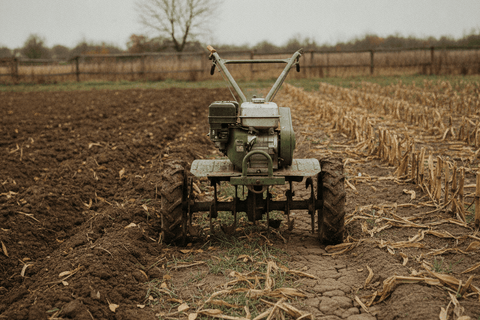
A grub hoe is the ground breaker: lawn into bed, hardpan into soil, a rooted corner into a clean one. Buy the Rogue Hoe 70G if you break ground every year, the Truper for trenching and hilling, or the Lothee for a classic forged eye hoe at the lowest price, though it was out of stock on Amazon when we checked on October 13, 2026. The grub hoe breaks the ground, a sharpened spade makes the cuts, and a garden hoe keeps the bed. If the ground you are breaking is a whole plot rather than a corner, weigh the swing against a machine in our guide to garden tillers and cultivators.
Disclosure: some links in this guide are affiliate links to Amazon. This is at no extra cost to you, and it never changes our honest, use-based recommendations.
Product prices and availability are accurate as of the date/time indicated and are subject to change. Any price and availability information displayed on Amazon.com at the time of purchase will apply to the purchase of this product.