As an Amazon Associate we earn from qualifying purchases. Some brands also pay us when you click or buy, so those links are ads. Full disclosure below
To winterize a garden, clear out spent and diseased plants, weed one last time, lift tender bulbs, mulch after the ground freezes, protect young shrubs and roses, drain hoses and rain barrels, and put tools away clean, starting after the first light frost and finishing before the hard freeze. The ten steps come first, then the details by plant type, the frost numbers that decide which vegetables stay in the ground, and what not to do.
The payoff shows up in April: fewer overwintered pests and diseases, bulbs that survived, and tools that work the first time you reach for them. While the shed is open, check the snow gear too; our snow shovel picks cover what to have by the door before the first storm, and our cordless snow shovel picks cover the battery machines that do the lifting for you. If a long driveway is part of the picture, our snow blower picks cover the machines worth pulling out before the first big storm. Buy the de-icer in the same trip, because the bag that gets used is the one already by the door, and our ice melt picks cover which products are safe on concrete and beside plantings. This page is one stop on our fall yard cleanup tools checklist, which puts every fall job in order.
When to winterize a garden
Start after the first light frost has knocked down the annuals and finish before the ground freezes solid: roughly October in the upper Midwest and New England, November in the mid-Atlantic and central states, and December or later across the South. Two jobs break the pattern: cover crops go in four to six weeks before the first frost, and winter mulch on perennial beds goes on after the ground has frozen. For plants you want to keep growing through the cold, our best greenhouses guide compares backyard kits by snow rating and cost per square foot.
If frost is in the forecast tonight, our guide on how to protect plants from frost covers the emergency version: water in the afternoon, cover before dusk, uncover in the morning.
The 10-step fall garden cleanup checklist
1. Pull spent annuals and anything diseased
Pull frost-killed annuals, roots and all, and pull or cut the vegetable plants that are done. Be strict with tomatoes, squash, cucumbers and beans. They carry blight, mildew and bacterial spots through winter on dead stems and fallen fruit. Anything that showed disease goes in the trash or municipal yard waste, not the home compost pile, which rarely gets hot enough to kill it. Healthy material goes straight into the compost bin.
Wear gloves with reinforced fingertips for this: you are pulling roots from cold soil and handling diseased stems, so pick a pair you can machine wash afterward.
2. Do the final weeding
Weeds that go into winter alive come out of it with a head start, and the ones that set seed in October plant next year's crop for you. Make one slow last pass while the soil is still workable. A long-handled draw hoe like the Spear Head Hoe slices annual weeds off at the root line while you stand, and its rake side levels the bed behind you. Deep-rooted perennial weeds such as dandelion, dock and bindweed need to come out whole: loosen beside them with a spade and lift, because a hoe only snaps them off to regrow.
3. Harvest the last crops and lift tender bulbs and tubers
Harvest what frost will ruin: peppers, green tomatoes to ripen indoors, and winter squash. Leave kale, collards, Brussels sprouts, carrots, leeks and parsnips, which sweeten after a frost.
Then lift the tender bulbs and tubers that will not survive frozen soil: dahlias, cannas, gladiolus, caladiums, elephant ears and tuberous begonias. Wait until the first frost blackens the foliage, cut the stems back to about six inches, then push a sharp spade straight down in a circle a foot out from the stem and lever the clump up from underneath. In heavy soil, the pointed, sharpened blade on our D-handle spade cuts the circle of anchoring roots around the clump; for the lift itself, University of Wisconsin Extension notes that a digging fork is less likely than a shovel to injure what is underground. Dry the clumps in a shaded, airy spot for a few days, pack them in coarse vermiculite or wood shavings (the American Dahlia Society notes that experienced growers warn against peat moss, which tends to shrivel tubers when dry and promote rot when moist), store them at about 40 to 45 degrees (most extension ranges run 40 to 50), and label every clump now. Our guide to storing dahlia tubers covers dividing, packing and checking them through the winter.
4. Cut back some perennials and leave the rest
The old advice was to cut everything to the ground. The better answer is selective. Cut back perennials that carry disease or pests over winter: peonies for botrytis, bearded iris for the borer eggs on the leaves, hostas once the leaves go to mush, and anything that had mildew. Cut a few inches above the crown and remove the debris.
Leave standing anything that gives structure, seed or shelter. Coneflowers, black-eyed Susans, sedum and ornamental grasses feed finches through winter, and their hollow stems house overwintering native bees. Leave marginally hardy plants alone too: chrysanthemums, lavender, Russian sage and butterfly bush overwinter far better with their old growth intact, pruned in spring once new growth shows the live wood.
Fall is also the time to divide overgrown clumps and move anything in the wrong place. Our guide to transplanting shrubs and perennials in fall covers it.
5. Mulch the beds after the ground freezes
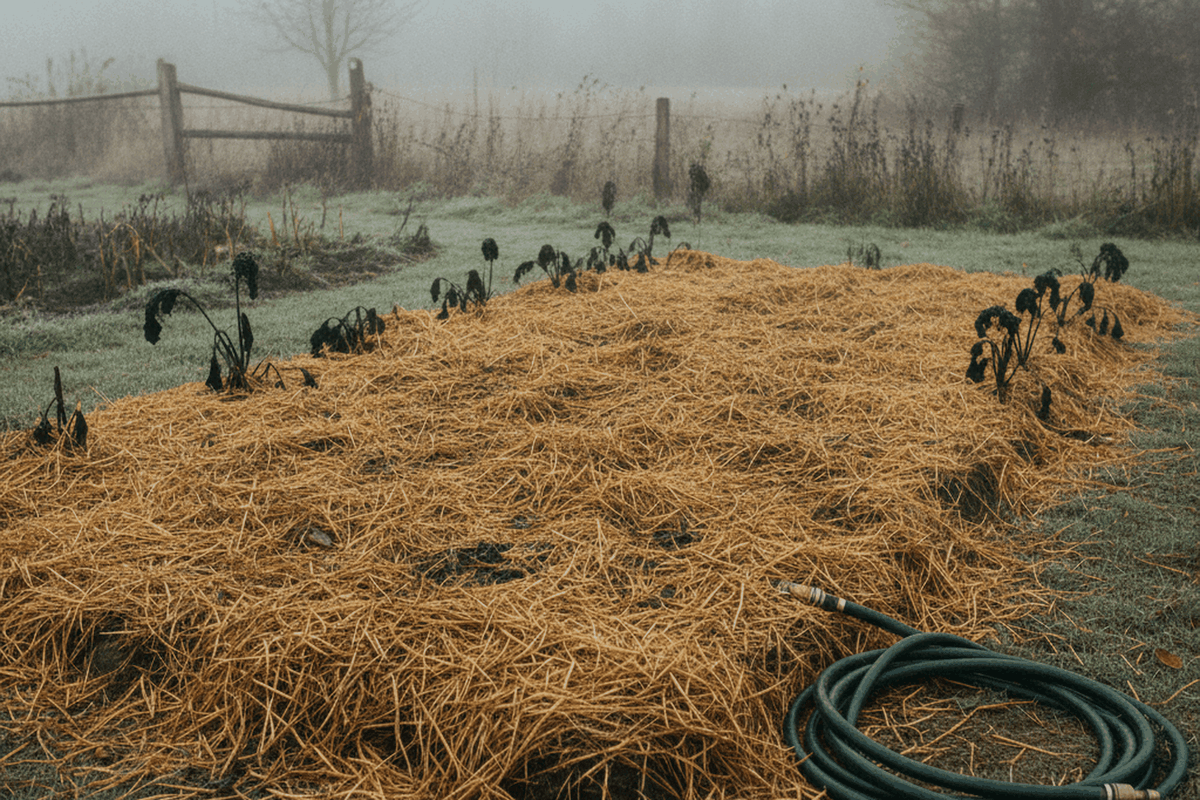
Winter mulch on perennial beds is not there to keep the soil warm. It is there to keep the soil frozen, so thaw and freeze cycles do not heave shallow-rooted plants like coral bells and mums out of the ground. That is why it goes on late, after the top inch or two of soil has frozen, usually late November into December in the north.
Two to three inches of shredded leaves, bark, straw or evergreen boughs is plenty. Keep it a few inches back from crowns and trunks so it does not hold moisture against them or give voles a covered runway to the bark. New fall plantings, including tulip bulbs and garlic, get the deepest layer, four to six inches, because their roots are the shallowest. If shredded leaves are your mulch, a leaf vacuum mulcher picks them up and shreds them in one pass.
6. Protect young shrubs, broadleaf evergreens and roses
Established trees and shrubs need nothing. The ones that need help are plantings from the last year or two, broadleaf evergreens such as rhododendron and boxwood in exposed spots, and roses in cold regions.
Water evergreens deeply before the ground freezes, since winter damage on them is usually drying, not cold. Where wind or afternoon sun is the problem, drive stakes on the exposed side and staple burlap to them as a screen, never tight against the foliage. Save hedge shaping for spring; our hedge shears guide covers the tools for that cut. Wrap the trunks of young thin-barked trees such as maples and fruit trees with paper tree wrap against sunscald and rabbits.
For roses, stop feeding by late summer and stop deadheading in September so the plants harden off. After a couple of hard frosts, mound eight to twelve inches of soil or compost over the base of grafted roses to protect the graft union. Shrub roses in zone 5 and warmer usually need only mulch.
7. Drain and store hoses, drip lines and sprinklers
Water left in a hose freezes and splits it. Disconnect every hose, drain it, coil it loosely and hang it in the garage or shed. If one split last winter, our garden hose picks cover the replacements. Shut off the interior valve for each outdoor spigot, then open the spigot outside to drain the line. Once the line has drained, pull an insulated cover over the spigot as a second layer; our outdoor faucet cover picks match covers to faucet types, and for a big lever or round handle the DEMEDO Enlarge faucet cover, a 3M Thinsulate sock with a drawstring, runs an inch or two larger than most. Drip irrigation gets flushed, drained at its low points and left open. Bring in the timer, filter and pressure regulator, which crack first, along with sprinklers and nozzles. Empty and rinse the pump sprayer while you are at it, since a tank left full splits the same way a hose does, and our garden sprayer picks cover the ones worth storing. Indoors, a spring thaw is when a basement pump earns its keep; our best sump pumps guide prices them per 100 gallons an hour.
8. Drain the rain barrels
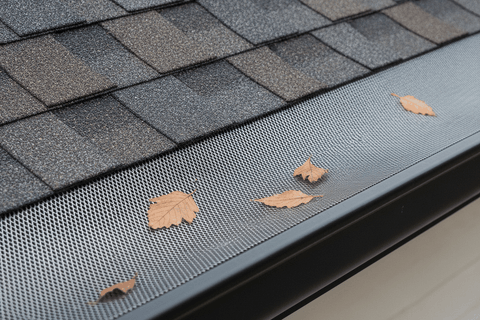
A full rain barrel cracks when it freezes, and the spigot goes first. Empty every barrel, leave the spigot open, and disconnect the downspout diverter so winter runoff goes down the downspout and away from the foundation. Store the barrel upside down, or leave it in place with the lid off so it cannot collect water. Clear the gutter above it while you are out there, since a downspout only carries water away from the foundation if the gutter feeding it is empty, and our gutter cleaning tool picks cover the scoops, extension poles and blower attachments that do the job from the ground. To keep that gutter clear through the next leaf drop, our gutter guard guide compares micro mesh, perforated, brush and foam kits that fit a 5 in gutter.
9. Clean, sharpen and oil your tools
Tools go into winter clean, dry and oiled or they come out of it rusty. Knock off the soil, wash with a stiff brush, dry completely, and take rust off with steel wool. Sharpen the tools that need it: a mill file at the original bevel angle restores the edge on pruners, loppers, hoes and a standard shovel. If you own a Spear Head Spade, skip that step. The blade is pre-sharpened at the factory to a 35 degree bevel along the entire edge, tip to tail, and the powder coat is designed to wear away gradually and keep exposing that factory edge, so it never needs sharpening. A regular file will not touch the steel anyway; our best shovels for digging guide explains why. The Spear Head Hoe is the exception: if rocks nicked the edges this season, run a knife sharpener or metal file down either long side, and wear garden gloves when you do it.
Wipe every steel surface with a thin coat of camellia oil or light machine oil, rub wooden handles with boiled linseed oil, and store everything out of the weather. Our spades have steel-reinforced fiberglass handles, so the linseed step is only for your other tools. The hoe's stainless head will develop a surface rust if left out in rain or moisture for an extended period, so hang it in the shed or garage with the rest. The full routine, rust removal included, is in our tool cleaning, sharpening and storage guide. Winter fuel wants the same discipline as the steel, because a stack sitting on bare ground wicks moisture back into the wood all season, and our firewood rack picks cover the frames that hold a cord up off the dirt.
Hang the long-handled tools rather than leaning them in a corner: on a wall rack they stay off a damp floor and easy to check in spring. Our garden tool storage ideas cover racks for every kind of space.
10. Cover the vegetable beds and plan for spring
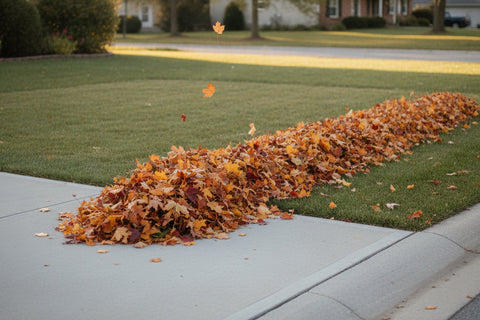
Bare soil over winter erodes, crusts and loses nutrients to leaching. Cover it. If you are four to six weeks ahead of your first frost, sow a cover crop. Winter rye is the toughest and can go in latest, even a week or two after the first frost in the north; oats and field peas sown earlier winter-kill and leave a mulch you can plant straight through. Where it is too late for seed, spread three to four inches of shredded leaves instead. Whole leaves mat and shed water, so run them over with a mower first. A good leaf rake and a tarp move a lot of leaves quickly.
Then walk the beds with a notebook. Sketch what grew where so you can rotate next year, note the varieties that earned their space, push a labeled stake beside every dormant perennial, and order garlic and spring seed while the good varieties are still in stock.
Winterizing by plant type
Vegetables
Clear the warm season crops and leave the cool season ones. Oregon State University Extension groups vegetables by how much cold they take, and The Old Farmer's Almanac lists the tender crops a light frost kills. Frost can settle on leaves when the air reads a few degrees above freezing, so cover anything borderline when the forecast gets close.
| Group | Takes cold down to | Crops |
|---|---|---|
| Hardy | A heavy frost, below 28°F | Spinach, kale, cabbage, collards, Brussels sprouts, broccoli, leeks, garlic, onions, turnips, radishes |
| Semi-hardy | A light frost, 28°F to 32°F | Beets, carrots, parsnips, lettuce, chard, cauliflower, celery, parsley |
| Tender | Damaged by a light frost at 32°F | Tomatoes, peppers, beans, cucumbers, squash, pumpkins, sweet corn, melons |
Sources: Oregon State University Extension (hardy and semi-hardy) and The Old Farmer's Almanac (tender). The Almanac puts onions and garlic in its light frost group, so treat the edges as approximate.
Root crop tops may die back while the roots survive, Oregon State notes, and the Almanac advises digging them where the ground freezes solid for long stretches.
| Crop | Stays in the ground? | How |
|---|---|---|
| Carrots, parsnips, beets | Where the ground does not freeze solid for long stretches | Mulch thickly, dig as needed |
| Kale, collards, leeks, Brussels sprouts, spinach | Yes, into winter | Hardy below 28°F; harvest as you go |
| Lettuce, chard, cauliflower | Until a hard freeze | Pick before nights drop below 28°F |
| Tomatoes, peppers, squash, beans | No | Harvest before the first frost |
Sources: Oregon State University Extension and The Old Farmer's Almanac.
Empty beds: a cover crop or a leaf blanket
A cleared bed should not sit bare. Four to six weeks ahead of the first frost, sow a cover crop; which one to sow, and how to kill it in spring, is in our cover crops guide. Later than that, which is most gardens by cleanup time, blanket the bed with three to four inches of shredded leaves, and our guide on how to mulch leaves covers shredding them and how thick to go. Oregon State University Extension also lists yard debris, cardboard or newspaper as winter mulches.
Perennials
Beyond step 4, water deeply before the ground freezes and mulch once it has. Plants set out this fall are the likeliest to heave, so press any lifted crown back in on a mild day in late winter.
Roses
Leave the hard pruning for spring. Rake up and bin the fallen leaves, since UW-Madison Extension notes that most fungal pathogens overwinter in plant debris. Grafted roses get the soil mound from step 6.
Shrubs and evergreens
Keep watering evergreens until the ground freezes. Where wind, sun or rabbits are the problem, use the burlap screen and paper tree wrap from step 6. Keep mulch a few inches back from every trunk, as in step 5, so it gives voles no covered runway to the bark.
Bulbs
Spring bulbs go in before the ground freezes; our fall bulbs guide has the list and timing. Mulch them once it has frozen. Check the tender bulbs lifted in step 3 once a month over winter and throw out any that turn soft. Where they are stored in a garage or shed, our mouse repellent guide covers keeping mice out of it.
Containers
Pots need more help than beds. The Old Farmer's Almanac names persistently wet potting soil as the biggest winter enemy of plants in containers, so raise pots on pot feet or small rocks to drain, move them somewhere sheltered such as against a south-facing wall, and wrap the ones that stay out in burlap. Some containers crack in very cold weather, so empty the terracotta pots you are not using and store them dry.
What not to do in fall
- Do not fertilize shrubs, roses or perennials. Plants need to harden off going into winter, which is why step 6 stops feeding roses by late summer. Lawns are the exception; our fall lawn fertilizer guide covers the timing.
- Do not prune trees and shrubs. Save the shaping for late winter or spring, and take out only dead, damaged or diseased wood now.
- Do not pile mulch against trunks or crowns. Keep it a few inches back, as in step 5, so it does not hold moisture against the bark or give voles a covered runway.
- Do not compost diseased plants or weed seed heads. UW-Madison Extension advises bagging badly infected tomato, potato and pumpkin plants and keeping weed seed heads out of a cold compost pile.
- Do not work wet soil. UW-Madison Extension also warns that walking on wet soil ruins its structure and that pulling plants in wet conditions can spread disease spores. Clean up on dry afternoons.
Tools for this job
The seven things the checklist keeps reaching for, from lifting tender bulbs to bagging the last leaves.

Spear Head Spade 40 inch D-Handle Garden Spade
Cuts the circle of anchoring roots around a dahlia clump in heavy soil, and cuts a clean bed edge on the way out.

Spear Head Spade Garden Kneeler
Pulling spent plants, the last weeding and dividing all happen at ground level, and a cushioned foam pad keeps the cleanup weekend kinder on your knees.
Agribon AG-30 frost protection row cover
The heavier grade growers use for frost nights and fall greens; it passes enough light and water to stay on for days.
Check price on AmazonOldcastle cedar mulch, 2 cubic feet
Shredded cedar knits together and stays put in wind better than chips; one bag covers about 12 square feet at 2 inches.
Check price on AmazonKurobara Tsubaki camellia oil, 3.4 oz
Light, non-gumming plant oil for steel blades and pivots before storage; a few drops on a rag coats a whole shed of tools.
Check price on AmazonKoretech burlap roll, 40 inches by 40 feet
Natural jute breathes, so wind screens and rose mounds stay protected without trapping moisture the way plastic does.
Check price on AmazonRocky Mountain Goods 30 gallon paper leaf bags
Paper bags go out with municipal yard waste and break down on their own, for shredded leaves and the diseased debris that must not go in the compost.
Check price on AmazonCommon questions
When should you winterize your garden?
Start after the first light frost has killed the annuals and finish before the ground freezes hard, which is roughly October in the north and November to December further south. Sow cover crops four to six weeks before the first frost, and put winter mulch on perennial beds after the ground has frozen.
Should you cut back perennials in the fall?
Cut back the ones that carry disease or pests through winter: peonies, bearded iris, mushy hostas and anything that had mildew. Leave coneflowers, black-eyed Susans, sedum and ornamental grasses standing for birds and overwintering insects, and leave marginally hardy plants like mums, lavender and Russian sage untouched until spring.
Can you leave leaves on garden beds over winter?
Yes, and it is one of the best winter mulches there is, as long as the leaves are shredded first. Whole leaves mat into a wet layer that sheds water and smothers crowns. Run them over with a mower, spread two to four inches on beds, and keep them a few inches back from perennial crowns.
Do you need to water the garden in winter?
Only in dry spells, and only when the ground is not frozen. Evergreens and anything planted this fall benefit from a deep watering once or twice a month in a dry winter, on a day above 40 degrees. Established perennials and lawns need nothing. Use a watering can, or bring a hose out and drain it again afterward.
What can I cover my plants with if it's going to freeze?
A frost cloth or row cover, an old bed sheet or a drop cloth, draped to the ground and weighted at the edges so it traps heat rising from the soil. Put it on before dusk, take it off the next morning, and skip plastic. Our guide on how to protect plants from frost covers the full routine.
How cold is too cold for a garden?
It depends on the crop. A light frost at 32 degrees Fahrenheit kills tender plants such as tomatoes, peppers and beans. According to Oregon State University Extension, semi-hardy crops such as lettuce, chard and carrots tolerate 28 to 32 degrees, and hardy crops such as kale, spinach and Brussels sprouts withstand a heavy frost below 28 degrees.
What vegetables can be left in the ground over winter?
Carrots, parsnips, beets, leeks, garlic, kale, collards, Brussels sprouts and spinach can stay in, and several sweeten after a frost. Mulch root crops thickly with straw or shredded leaves and dig them as needed. Where the ground freezes solid for long stretches, dig them and store them somewhere cool and frost-free instead.
Is it a good idea to put straw on my garden for winter?
Yes. The Old Farmer's Almanac lists straw among the mulches that shield low plantings from cold and that insulate root crops left in the ground. Spread it after the ground freezes, two to three inches on perennial beds and more over root crops, and keep it a few inches back from crowns and trunks.
The bottom line
Winterizing a garden is one long weekend of unglamorous jobs: clear, weed, lift, cut selectively, mulch late, screen the young and tender, drain everything that holds water, oil the steel, cover the soil and write it down. Do them in that order and the garden you open in spring is clean and ready to plant. The tool that carries most of the list, from lifting dahlias to breaking ground for garlic, is a sharp spade. Ours is the double-patented Spear Head Spade, with over 600,000 sold, and it goes into winter like everything else: clean, dry and hung on the wall.
Disclosure: some links in this guide are affiliate links to Amazon. This is at no extra cost to you, and it never changes our honest, use-based recommendations.